

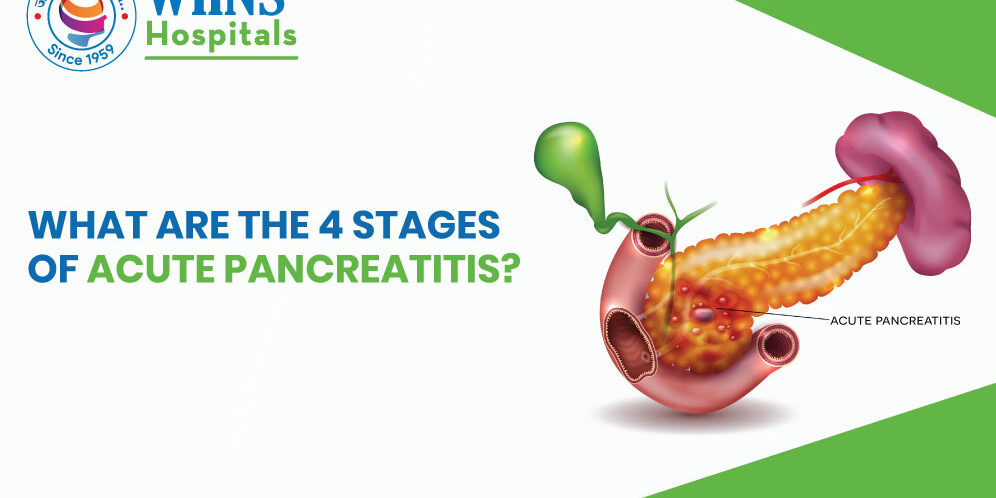
Your pancreas releases enzymes, which help in digestion, and the hormone insulin, which controls your blood sugar levels. The inflammation of this organ is called pancreatitis. The condition can lead to abdominal pain, swelling in the pancreas, and irritation. According to a gastroenterologist in Kolhapur, pancreatitis can be acute or chronic. We’ve discussed the stages of acute pancreatitis so that you know when medical care is necessary.
Stages of Acute Pancreatitis
Here’s a detailed look at the four stages.
Stage 1: Early or Initial Phase
The symptoms of the initial stage of pancreatitis include severe upper abdominal pain, which might radiate to the back. The pain could be accompanied by nausea and several episodes of vomiting, loss of appetite, bloating, and abdominal tenderness, and, in some cases, fever and chills. At this stage, your healthcare professional may order bloodwork.
In stage 1 pancreatitis diagnosis, doctors aim to control inflammation using intravenous (IV) fluids, pain-relief medication, and addressing underlying causes such as gallstones.
Stage 2: Systemic Inflammatory Response Syndrome (SIRS)
The second stage is more critical and requires careful observation and proper treatment in a gastroenterology hospital in Kolhapur. Systemic Inflammatory Response Syndrome (SIRS) occurs when the inflammatory process spreads beyond the pancreas.
A widespread inflammation can increase the risk of multiple organ failure, which is why prompt treatment at this stage is crucial for survival. Symptoms include extremely high or low temperature, low blood pressure, and rapid breathing.
Stage 3: Severe Complications
The risk of multi-organ failure increases at this stage. If the inflammation remains uncontrolled, the condition can worsen to infected pancreatic necrosis, in which the blood supply to the pancreas is cut off, leading to tissue death.
Complications may also include abscesses, pancreatic fluid collections, and blockages in the intestines or bile ducts. Severe complications of acute pancreatitis also include septic shock, which happens when the infection spreads throughout the body, leading to multiple organ failure.
Stage 4: Recovery Phase
Once the inflammation is controlled, the patient’s recovery phase begins. After a full recovery, the pancreas may start to function normally; however, in some cases, repeated episodes can lead to chronic pancreatitis, which can cause long-term damage to the pancreas.
Recovery isn’t just about leaving the hospital. Since severe cases of acute pancreatitis are life-threatening, you must follow your doctor’s instructions to prevent them from recurring. Here’s what you are advised.
- Avoid alcohol altogether (even small amounts can lead to another episode of pancreatitis).
- Eat foods low in fat
- Eat a balanced diet
- Keep yourself hydrated
- Maintain a healthy weight
- Attend follow-ups
Call your doctor immediately if you experience sudden, sharp abdominal pain, fever, chills, nausea, vomiting, and fast breathing.
Conclusion
Acute pancreatitis occurs when your pancreas is injured or infected due to alcohol, gallstones, or other causes. Mild cases of AP are short-lived and resolve with hydration, pain relief, and rest, but complications are possible in severe cases of acute pancreatitis. Early treatment can help manage inflammation and potentially save your life. At WIINS Hospitals, timely intervention and advanced gastroenterology care play a vital role in patient recovery.