


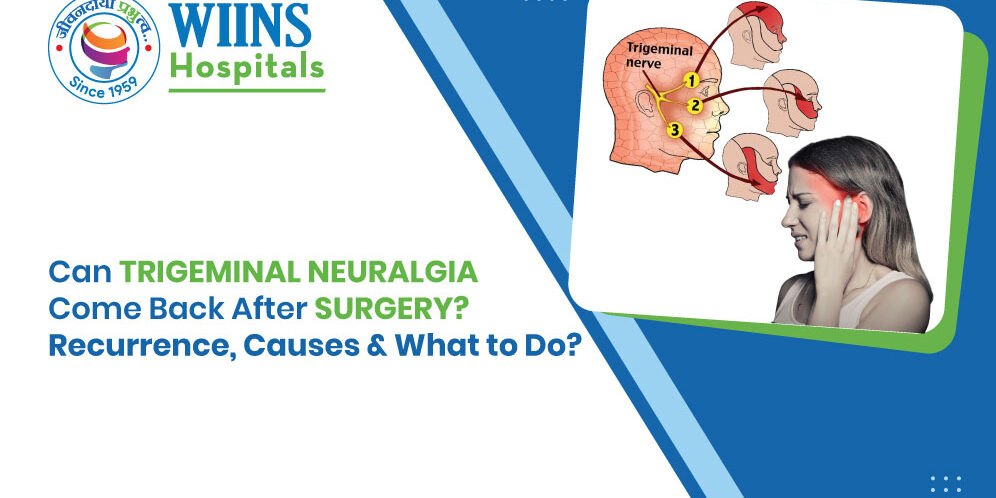
Yes, trigeminal neuralgia can return after surgery. Nerve compression, an underlying neurological disorder, or scar formation can sometimes trigger the symptoms again.
Can Trigeminal Neuralgia Come Back After Surgery? Recurrence, Causes & What to Do
Trigeminal neuralgia can be frustrating. One moment you are smiling, brushing your teeth, eating, or talking, the next moment you have debilitating, shock-like pain that leaves you wondering, “Will my life always be like this”? When medications stop working, microvascular decompression surgery comes to your relief. The question is, can the pain return after surgery? Here’s all you need to know about trigeminal neuralgia surgery in Kolhapur and when an alternative treatment may be needed.
Trigeminal Neuralgia: Why and When Surgery May Be Needed?
The trigeminal nerve carries sensation from your face to the brain. When this nerve is compressed (usually by blood vessels) near the brainstem, the protective layer of the nerve, called myelin, gets damaged over time. This compression can destroy the protective layer of the nerve, causing electric, stabbing pain even with normal activities.
Pain medicines, such as carbamazepine or oxcarbazepine, are recommended for trigeminal neuralgia. But if they are ineffective in treating pain or cause side effects, such as excessive drowsiness, a surgery may be needed.
Can Trigeminal Neuralgia Return after Surgery?
The short answer is yes. Unfortunately, trigeminal neuralgia is a complex nerve disease that might return months or years after surgery. That doesn’t mean the surgery failed, but the underlying nerve issue can trigger the pain again.
The chances of recurrence depend on the type of surgery performed, how severe your condition was before surgery, how long the nerve remained irritated, your age, nerve health, and whether another neurological issue is suspected.
What Causes Recurrence?
There isn’t a single cause for trigeminal neuralgia recurrence. Several factors may contribute.
Blood Vessels Compress the Nerve Again
Microvascular Decompression relieves trigeminal neuralgia pain caused by compressed nerves. However, there’s no guarantee that blood vessels won’t compress the nerve again. Sometimes, the surgery itself can cause scar tissue that irritates the nerve.
Long-standing Nerve Damage
If you tolerated trigeminal neuralgia for a long time before getting surgery, chances are the nerve might become hypersensitive, causing recurrent pain signals.
You have Multiple Sclerosis
Multiple Sclerosis damages the nerve’s protective layer. It’s an autoimmune disease, which can persistently damage myelin. Damaged myelin can disrupt pain signals. The bigger issue is that surgery can provide temporary relief, but there’s a risk of ongoing damage to the nerves’ protective sheath, even after surgery.
What to do if Pain Returns?
Do not panic. Visit a neurosurgeon in Kolhapur, preferably at WIINS hospital, and get the recommended tests. Your doctor may evaluate the type and intensity of the pain, how long you have gotten relief from the surgery, your nerve health, and your treatment history. They may recommend medications, repeat surgery, or sometimes, alternative procedures to provide long-term relief.
If the MRI shows recurrent vascular compression, a repeat surgery may be performed. Sometimes, lifestyle changes, such as avoiding overly hot or cold food, practicing meditation, and tracking and avoiding all the factors that trigger pain, can help.
