


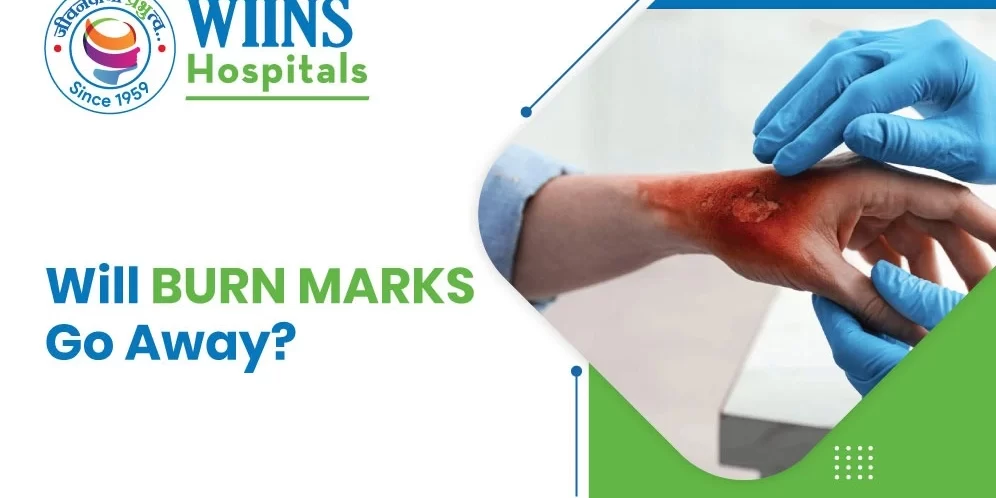
Whether or not burn marks fade completely depends on the severity of the burn. Second-degree scars usually fade over time, but third-degree or more severe scars might leave a permanent mark behind, requiring microneedling, laser therapy, or in some cases, plastic surgery.
Will Burn Marks Go Away?
Accidentally taking out a hot pan without gloves from the oven, getting boiling water on your skin, or getting burned by a curling iron can cause immense pain. However, it’s not just the pain that people are worried about.
Bigger and more challenging fire-related accidents, such as chemical exposure or a blast, can cause high-degree burns that can leave huge skin scars. These discolored scars serve as a reminder of the fire accident. The question is, do you really need burn scar treatment in Kolhapur, or will the scar fade on its own?
Different Types of Burns
Let’s explore different degrees of burn.
First-Degree Burns
Also called superficial burns, first-degree burns are minor. Examples are sunburn, brief contact with a hot object, having hot tea or coffee on your skin, or exposure to steam during cooking. This may cause irritation and mild redness, but since it only affects the epidermis (the outer layer of the skin), they don’t leave scars.
Second-Degree Burns
A second-degree burn is relatively more painful and affects the dermis, the deeper layer of skin, but is still not significant enough to leave a major scar in most cases.
Common causes include severe sunburn, scalding from boiling water, or exposure to a hot surface for a prolonged period. The burn can cause temporary discoloration or redness that may last for a few months, but is not permanent.
Third-Degree Burns
Third-degree burns affect the epidermis, dermis, and fatty tissue. More severe burns can also affect your muscles, tendons, and bones. The burns are serious, but do not cause pain initially, as they destroy your nerves, causing numbness.
However, the area surrounding the burned site might be painful. You may notice a charred black or white waxy skin after sustaining a third-degree burn. Skin exposure to flames for a long period, scalding from extremely hot liquids, often hot industrial liquids, and chemical burns from strong acids or high-voltage electrical burns can all cause third-degree burns.
Burn Marks: How They Appear
When you are burned, the skin cells die from the injury and activate your natural healing response. Whether a scar is left behind after healing depends largely on how severe the burn is, and its location. Burned areas that move frequently might get scarred because the skin stretches and moves a lot during healing.
Scars typically form from deep second-degree or third-degree burns that extend beyond the dermis. To heal the area, your body generates fibrous tissues that close the wound. These tissues are considered scars. They can be flat, light, or thick and raised. Some scar tissues tighten and make movements difficult, especially around joints.
Treatment for Burn Scars
Scars can’t completely fade, but certain treatments can make them less visible. Silicone gels have been widely used to lessen scar marks. For more prominent and deep burns, you can consult a plastic surgeon for burn scars in Kolhapur. Depending on the severity, they may suggest microneedling or corticosteroid injections, or, in severe cases, scar revision surgery.
