


Yes, gallstones may not require surgery if they are silent gallstones, i.e., they don’t cause any symptoms. Symptomatic gallstones, particularly those that affect your everyday life or increase the risk of certain health complications, may require cholecystectomy.
Can Gallstones Be Treated Without Surgery?
Gallstone surgery in Kolhapur might be the first thing that crosses your mind when you hear the word “gallstone”. The diagnosis can be daunting. And while many gallstone patients are eventually advised surgical removal of the gallbladder, many also live with these stones.
Whether or not a surgery is required depends on the size of the stone, its location, your symptoms, and your health. Remember, the surgery isn’t needed just because you have gallstones, but because of the problems they cause. Let’s understand gallstones and common treatment options.
Gallstones: What Are They?
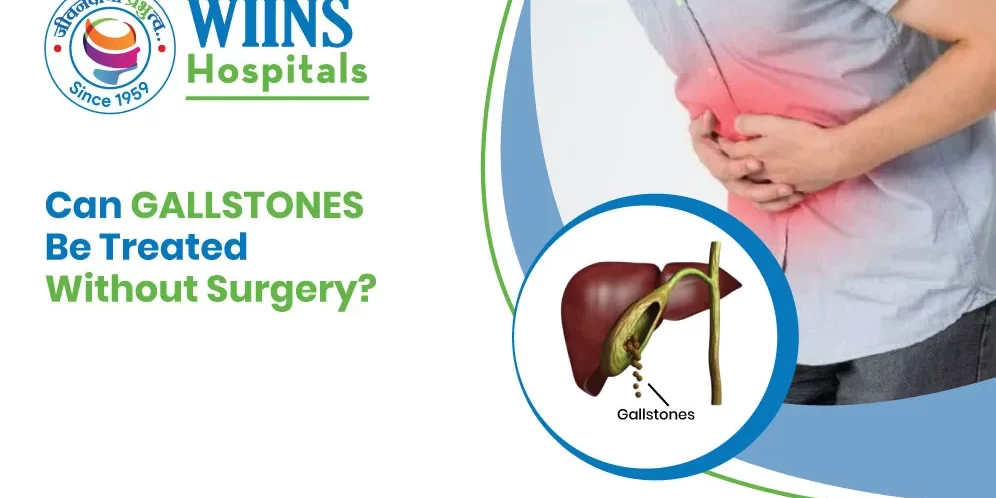
A small, pear-shaped organ sitting on the underside of your liver stores the digestive fluid produced by the liver, called bile. Gallstones form when there’s excessive cholesterol, bilirubin, or changes in the substances that form bile. These can lead to hardened deposits, which can be as small as a rice grain or as big as a golf ball. You can have one or multiple gallstones at the same time.
Signs Your Gallstones Can Be Treated Without Surgery
Not all gallstones require treatment. Here’s when gallstones can be managed without surgery.
You Have Asymptomatic Gallstones
Many people have symptom-free gallstones that remain undetected until they are caught accidentally on an unrelated ultrasound or imaging. A surgical treatment in such cases will only expose you to unnecessary risks.
An appropriate strategy for asymptomatic gallbladder stones is to wait and monitor their growth. If you’ve lived with them for years without symptoms, chances are they will stay harmless.
You Have Mild Symptoms
Mild symptoms, such as occasional abdominal discomfort after having a large fatty meal, might not be concerning. However, a general surgeon at WIINS hospital in Kolhapur may consider a surgical treatment if you experience frequent gallstone attacks.
Conservative treatments might be enough unless you develop persistent abdominal pain, jaundice, fever, and other severe symptoms.
You are Unfit for Surgery
If you have recently undergone a major medical procedure or have other pre-existing conditions that can interfere with gallbladder surgery, the surgeon may postpone a cholecystectomy. Medication and lifestyle changes are advised to relieve your symptoms or prevent future gallstone attacks.
Can Medication Dissolve Gallstones?
For selected patients, medication may be advised to dissolve the gallstone, but it’s important to understand that not all gallstones may respond to medicines. Ursodeoxycholic acid (ursodiol), for example, can be effective for small cholesterol-based gallstones.
These may sound effective, but they take months or even years to work. For heavily calcified or pigment stones, medication alone may not be effective.
Signs You Need Gallstone Treatment
Cholecystectomy is recommended when you have recurring or persistent symptoms that start interfering with your daily life. Surgery may also be needed if your gallstones cause complications or increase your risk of developing the following issues:
- Acute gallbladder inflammation
- Jaundice
- Stones block your bile duct
- Infection in the bile duct
- Gallstone-related pancreatitis
Gallbladder removal won’t just protect you from the above conditions but also prevent risks of complications in the future.
