


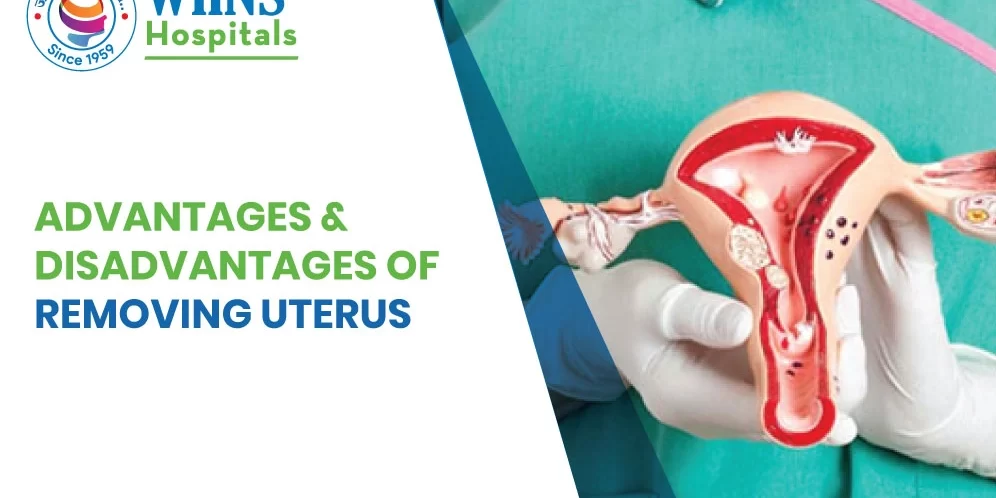
Hysterectomy—a surgery to remove the uterus—is a common gynecological procedure. When conservative treatments fail or you have uterine issues that affect your quality of life, a hysterectomy surgery in Kolhapur can be the most effective option. However, like any surgery, uterus removal comes with its share of risks and benefits. It’s important to look at its positives and negatives before you make a decision.
Advantages of Removing the Uterus
Here’s what makes hysterectomy a better option:
Relief from Chronic Pain
Fibroids, endometriosis, and adenomyosis are some common causes of pelvic pain. Some women experience intense, debilitating pain that interferes with their daily lives. If the pain persists despite medication, rest, or home remedies, it may be a good idea to discuss a hysterectomy. The procedure eliminates the uterus, the main source of pain, thus significantly improving your quality of life.
It’s a Life-saving Procedure
Hysterectomy is not optional for women with medical conditions that can lead to complications if left untreated. For example, uterine cancer, large or multiple fibroids, uterine prolapse, or severe endometriosis might require a hysterectomy. It’s also recommended for women who are at a higher risk of cancer of the reproductive organs.
No Irregular Periods
Menstrual issues can be challenging to deal with. Whether it’s irregular menstrual cycles, light spotting between periods, heavy bleeding with blood clots, or severe menstrual cramps, all these issues can be resolved with a minimally invasive surgical procedure. It’s also better than repetitive treatments for fibroids and menstrual issues.
Disadvantages of Hysterectomy
While a hysterectomy can offer significant relief from regular menstrual discomfort and other underlying health issues, it comes with certain disadvantages.
Early Menopause: Women who have had a hysterectomy might enter menopause earlier than expected. If the ovaries are removed along with the uterus, you will enter menopause immediately. It can cause hot flashes, night sweats, mood swings, and reduced libido.
Surgical Risks: Hysterectomy is a major surgery that carries certain risks. Although laparoscopic or robot-assisted hysterectomy has drastically reduced the risks of post-surgical complications, certain surgical risks are still present. Possible risks include bleeding, infection, blood clots, or injury to the bladder or bowel.
Emotional Impact: It’s impossible to conceive without a uterus. So, having it removed means you can’t become pregnant anymore. Having a uterus removed, especially during your childbearing years, can be emotionally exhausting. It comes with a sense of grief, guilt, and sadness.
Considerations Before Surgery
Here’s what to consider before a hysterectomy.
Explore Other Treatments
A gynecologist in Kolhapur at WIINS Hospitals will carefully evaluate your condition and guide you on whether a hysterectomy is truly required. In many cases, menstrual and uterine issues can be effectively managed without surgery. Based on your diagnosis, the gynecologist may recommend suitable alternatives such as medications, hormonal therapy, or minimally invasive procedures that offer faster recovery and effective relief. The right treatment plan is always decided by the specialist after proper examination and discussion with the patient.
Consult with a Healthcare Professional
Always talk to a gynecologist to learn everything about a hysterectomy. They will tell you whether a surgery is necessary or if you can explore other treatments. They will create a personalized treatment plan so you get the best possible care.
Conclusion
Hysterectomy is a big decision. It doesn’t just affect your physical health, but can be emotionally disturbing for those who have pregnancy plans for the future. Talking to a healthcare specialist can help you decide whether a hysterectomy is a suitable option for your case.