

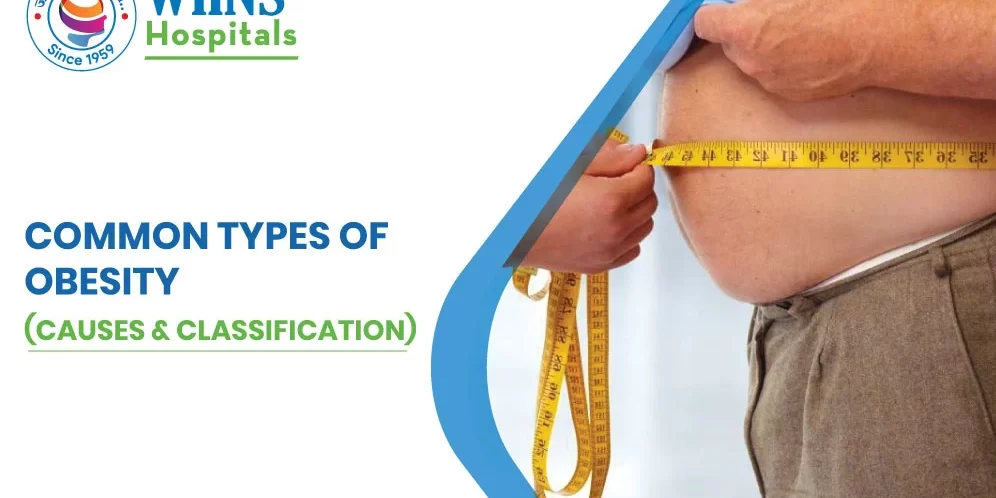
Obesity, a chronic disease, occurs when your Body Mass Index (BMI) is 30 or above. However, obesity isn’t a simple condition. It affects people differently, and is mainly influenced by why your body stores too much fat, where exactly it is accumulated, and what its consequences are.
Weight loss treatment in Kolhapur is often recommended when your Body Mass Index (BMI) exceeds 30, as obesity can increase the risk of several chronic health conditions, including diabetes, heart disease, high blood pressure, and even certain types of cancers. At WIINS Hospitals, specialists carefully evaluate each patient’s health condition and provide guidance on suitable treatment options to help manage weight safely and effectively.
Obesity Classification by BMI
Here’s the obesity classification based on your BMI:
Class 1: Also called mild obesity, a class 1 obese person is someone whose BMI is between 30 and 34.9. Even the early stages of obesity are risky, as your risk of developing insulin resistance, joint strains, and high blood pressure increases.
Class 2: People with a BMI between 35 and 39.9 fall into this category. Class 2 obesity shows a considerable fat storage in your body, which significantly raises your risk of heart diseases, inflammation, type 2 diabetes, and sleep apnea.
Class 3: It covers a BMI of 40 or above and is considered severe obesity. Excess fat accumulation at this stage is linked to increased risk of heart diseases, kidney diseases, diabetes, inflammation, and other chronic health conditions. It’s also linked to reduced mobility and excessive physical, as well as metabolic, burden.
Obesity Classification by Fat Distribution
The location of the fat accumulation can also be used as the standard to classify obesity. Here’s how it’s classified based on fat distribution:
Peripheral Obesity: Peripheral obesity is when excess fat is stored in the thighs, buttocks, and hips. Although it is associated with joint strain and physical mobility, peripheral obesity is considered comparatively less risky than central obesity.
Central Obesity: Some people have fat stored in their midsection, mainly in the abdominal cavity. This is called central or visceral obesity. It affects your metabolism and is considered more harmful, as the fat surrounds many vital organs.
Underlying Conditions that Contribute
Here’s how obesity is classified based on environmental, lifestyle, and other factors:
Lifestyle Obesity: Lifestyle obesity occurs when your body gets more calories than it uses. That said, the definition isn’t as simple as eating too much junk. It’s often the combination of factors such as poor dietary choices, sedentary lifestyle, poor sleep, and chronic stress that contribute. They all work together to disrupt your metabolism.
Genetic Obesity: Genetic factors can affect your fat distribution, how your body uses fat, and your appetite. That’s why genes can affect your risk of developing obesity.
Hormonal Obesity: Certain medical conditions, such as hypothyroidism, Cushing’s syndrome, or PCOS, can affect your metabolism. Treatment often helps when you have weight-related changes caused by medical conditions.Obesity isn’t simple. It’s rather a combination of lifestyle-factors, genes, hormones, and biology. Treatment varies depending on the cause of obesity, but for severe cases, especially when the BMI exceeds 40, a bariatric surgeon in Kolhapur may recommend a surgical intervention.