

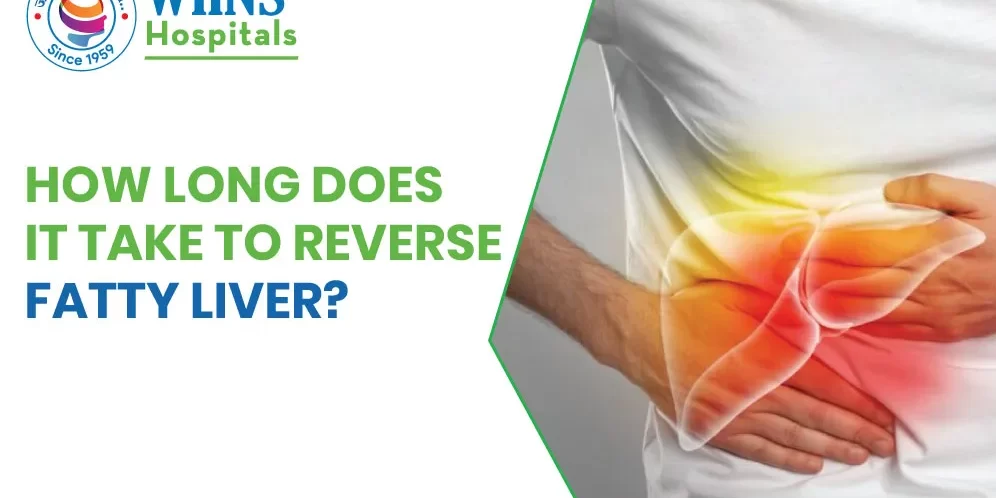
Fatty liver is when the fat cells accumulate in your liver tissues. It’s a prevalent liver issue that often occurs silently, and it is usually detected during blood tests and imaging scans. In many people, fatty liver doesn’t cause serious harm, but the condition also has the potential to turn into a serious liver disease, such as cirrhosis, liver failure, or liver cancer.
The good news is that fatty liver, in most cases, is reversible. Consult the best liver specialist at WIINS Multispeciality Hospital in Kolhapur to learn more about fatty liver, how it progresses, and treatment options. In the meantime, here’s more about the steps for reversing the condition.
Factors Influencing Reversal Time
How long the reversal takes depends directly on the stage or severity of the issue.
Simple Steatosis: Fatty liver disease without inflammation can often be reversed faster and with simpler steps. Weight loss, a proper diet, and quitting alcohol are some easy ways to speed up reversal. With consistent lifestyle changes, people see results in weeks.
Steatohepatitis: If fatty liver occurs with mild to moderate inflammation, the reversal can be slow and more challenging. Patients must strictly avoid alcohol and follow a healthy diet recommended by a specialist at a gastroenterology hospital in Kolhapur.
Fibrosis and Cirrhosis: Fibrosis refers to the scarring of the liver. If caught early, people can take steps to restore the partial function of their liver. Cirrhosis, however, is an advanced stage, where complete reversal is rare, and the treatment focuses mostly on preventing further deterioration.
Many people with mild fatty liver issues notice significant improvement in 2-3 months. With lifestyle changes, the energy levels and digestion can improve. Expect complete recovery in 6-12 months. For moderate fatty liver disease, the reversal can take up to a year or longer, depending on the level of damage.
Key Steps to Accelerate Reversal
Now that you know the reversal duration, the next big question is what steps can you follow to speed up the reversal? Here’s what doctors recommend:
Dietary Modifications: Start with a liver-friendly diet. Instead of attempting a crash diet, go slow with small changes in your eating habits. For example, focus on portion control. Your diet should mostly include fresh fruits and vegetables, whole grains, and lean proteins, with limited intake of sugary and processed foods. Strictly avoid alcohol.
Regular Exercise: Moderate exercise can reduce liver fat and might help with insulin sensitivity. Aim for 20-30 minutes of light exercises, such as brisk walking, swimming, and cycling, for 5 days a week.
Medical interventions
Sadly, there is no magical pill that could help you get rid of fatty liver disease. It’s always the lifestyle changes with doctor-recommended supplements that help. Usually, doctors treat the underlying issues that could have led to the fat accumulation in the first place.
It’s important to visit a liver specialist for follow-up as advised. They might order tests to check how well your dietary modifications or medication are working. This also helps detect any disease progression early, ensuring proper treatment at the right time.