

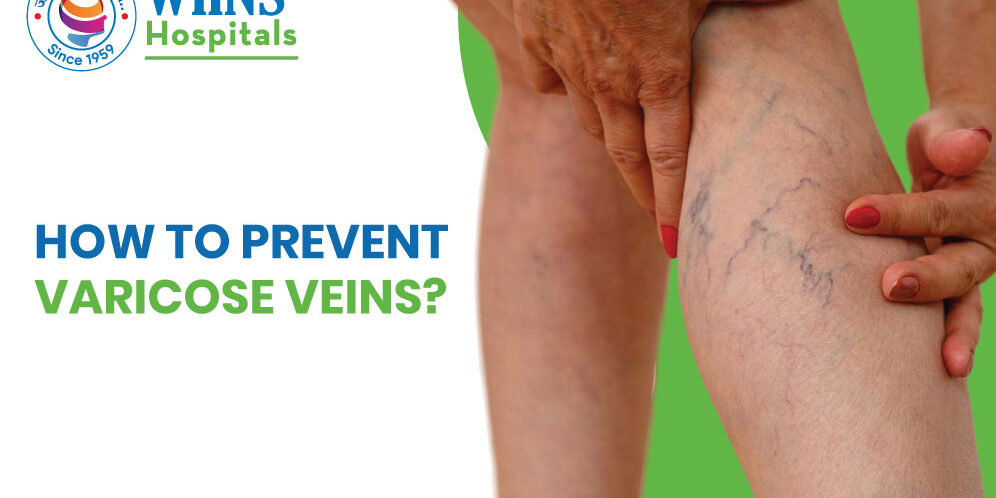
Veins carry blood back to your heart. When the valves inside them weaken or malfunction, blood flows backward and pools in the vein. It can pool in the vein, causing it to swell and leading to varicose veins. It’s best to consult a healthcare professional at a multispecialty hospital in Kolhapur if you notice blue-tinted veins on the lower legs and have leg cramps. This leads to the question: Are varicose veins preventable? Let’s find out.
Causes of Varicose Veins
Here’s what makes people more likely to develop varicose veins:
- Having a family member who has had varicose veins
- Obesity
- Aging
- Pregnancy
- Sitting for longer periods
Women are more likely to get varicose veins than men because of the hormonal fluctuations during pregnancy and menopause.
Lifestyle Changes to Prevent Varicose Veins
Some risk factors like family history, aging, and gender, cannot be controlled. However, lifestyle changes can reduce your chances of developing varicose veins or slow their progression. Here are some lifestyle changes that can help.
Exercise: Simple exercises like walking, swimming, and yoga can do wonders for your leg muscles. The calf muscles in your legs are often called the “second heart” because they play a vital role in pumping blood back up towards your heart. Activating this second heart is very important to maintain a healthy blood flow channel in the lower limbs. You can try yoga poses that place your feet higher than your heart, such as the legs-up-the-wall pose. Regular stretching and toning also help improve blood circulation in your legs.
Eat a Nourishing Diet: Your dietary choices can affect your vascular health. Include lots of fruits, vegetables, protein, whole grains, nuts, seeds, lean meat, and other healthy foods in your diet. You must also limit salt intake, since excess sodium leads to water retention and vein swelling.
Lose Weight: Excess body weight increases pressure on your veins, weakening them over time and raising the risk of vein enlargement. Stay active, eat a healthy diet, drink enough water, and consult a dietician to get in shape.
Practical Tips for Everyday Prevention
Here’s what else you can do to prevent varicose veins:
- Elevate your legs to improve blood flow toward the heart.
- Wear flats or comfortable shoes instead of heels.
- If your work involves prolonged hours of sitting or standing, take short breaks every 40 minutes.
- Wear compression stockings
Treatment for Varicose Veins
Some effective treatment options for varicose veins include:
Sclerotherapy: The procedure involves injecting a special solution into the varicose vein. It causes the veins to shrink and close. The veins disappear, and the blood flow to the heart is rerouted through other veins.
Laser Therapy: For a scar-free treatment option, laser therapy is an effective choice. The laser light closes the varicose veins, causing them to fade over time.
Surgical Removal: For larger veins, surgery might be your best option. A vascular surgeon in Kolhapur can perform a minimally invasive surgery to remove the affected veins.
Conclusion
Varicose veins are much more than a cosmetic concern. Swollen, twisted veins under the skin are not just cosmetic concerns, they can be painful and limit your lifestyle. Try lifestyle changes to lower your risk of developing new varicose veins or worsening existing ones. If lifestyle changes aren’t enough, consult the vascular care team at WIINS Hospitals, Kolhapur, for timely and effective treatment.