

Pregnancies for many women are uneventful and healthy. But issues can arise during pregnancy or childbirth. To lower your risks, it’s important to know the potential problems that may occur during the first, second, and third trimesters, and by telling your doctor about all of your symptoms, no matter how minor or significant. Schedule an appointment with the best Obstetrician & Gynecologist in Kolhapur for a high-risk pregnancy and learn more about the complications that warrant a prompt visit to an Obstetrician & Gynecologist. In the meantime, here’s a look at some warning signs.
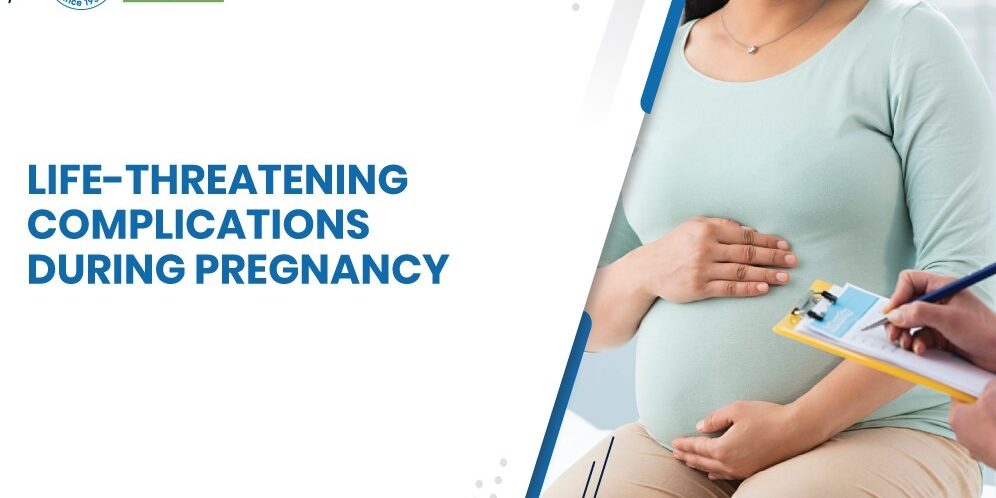
Life-Threatening Complications During Pregnancy
Placenta Previa
The placenta moves to the top of your uterus in the second or third trimester. Placenta previa is when the placenta sits right above the cervix, covering your baby’s exit. It’s considered a complication because placenta previa can cause severe bleeding. If that happens, an emergency C-section is performed to prevent further complications. For mothers, the complications include anemia, shortness of breath, and pale skin due to excessive blood loss.
Preeclampsia
Preeclampsia can occur after 20 weeks of gestation. It can spike your blood pressure, lead to protein in your urine, and cause damage to your kidneys, liver, and other organs. Preeclampsia is more common in women with high blood pressure before pregnancy. Symptoms include headaches, blurry vision, swelling in the ankles, face, and hands, pain in the upper right abdomen, and shortness of breath. You may not know you have preeclampsia until the Obstetrician & Gynecologist checks your blood pressure. Unfortunately, there’s no cure for preeclampsia. The doctor will recommend scheduling an early delivery, either normal or through c-section, to prevent life-threatening complications.
Ectopic Pregnancy
Ectopic pregnancy is a life-threatening medical complication that happens when the fetus (that’s supposed to grow in the uterus) grows outside your womb. In over 90% of cases, the fetus grows in the fallopian tube in ectopic pregnancies. The condition is dangerous to the mother, as the tubes may not support the growing fetus and might burst. When that happens, the mother might suffer from severe internal bleeding. Ultrasounds are often used to detect ectopic pregnancy. Treatment involves medication. However, if the hCG levels are too high or the tube has been ruptured, an emergency surgery to remove the tube may be necessary to save the mother.
Prevention and Management
Prenatal Care
Women with high-risk pregnancies must visit the top maternity hospital in Kolhapur for complicated deliveries to ensure a smooth and safe childbirth experience. Regular prenatal checkups and screening are the only ways to know whether your pregnancy is complicated.
Healthy Lifestyle Choices
While complications like ectopic pregnancy and placenta previa can’t be controlled, certain lifestyle choices, like quitting alcohol and smoking, or eating a balanced, pregnancy-friendly diet, can help manage your risk. See a Obstetrician & Gynecologist if you have:
- Severe vaginal bleeding
- Blurry vision
- High-grade fever
- Swollen face, hands, and feet
- Seizures
- Severe dehydration
- Unmanageable abdominal pain
If you experience any unusual signs during pregnancy, seek prompt medical attention, as the longer you wait, the higher the risk of life-threatening complications for you and your baby.