


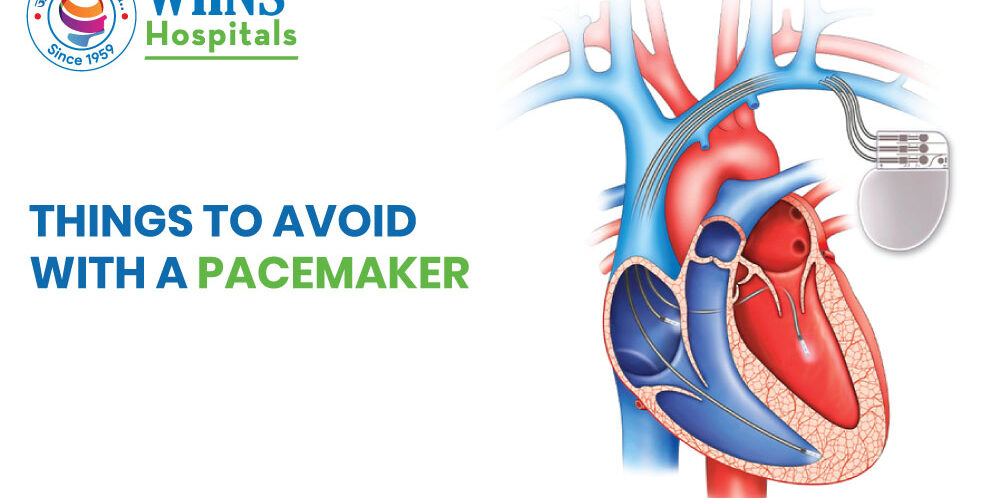
A pacemaker is a life-saving device for individuals with irregular heart rhythms or other cardiac conditions that can compromise their heart function. It is implanted under your skin, into the chest, so that it can send electrical signals that keep your heartbeat steady.
If you have had a pacemaker implanted by a cardiologist in Kolhapur, you must already be aware of the dos and don’ts after surgery. While a pacemaker has a tough build, certain magnetic or electric devices can interfere with its function.
Here’s how to ensure your pacemaker works fine.
Avoid Close Proximity to Certain Electronic Devices
Not every electronic item poses a threat, but a few do.
Mobiles and Headphones: Mobiles must not be kept in your shirt pocket or anywhere near the pacemaker. As long as it’s at least 6 inches away from the pacemaker, you are safe.
Headphones: Headphones and earbuds may contain magnets that could interfere if held directly over the pacemaker. Avoid hanging them around your neck or chest. Avoid draping it around your neck or holding it too close to your chest.
Microwave: Modern microwaves are safe for people with pacemakers, but it’s still advisable not to lean directly against them while running. Very old models (rare today) may pose a risk.
Anti-theft Detectors: These use electromagnetic waves, which can interfere with pacemakers. That said, if you walk through an anti-theft detector machine normally (without taking a pause), you should be fine.
Lifestyle Adjustments
Here’s what to avoid after pacemaker surgery:
- Sports or activities that increase the risk of a direct hit to the chest, such as football, wrestling, or volleyball.
- Heavy-lifting and high-intensity workout sessions that can put unnecessary stress on your chest.
Always bring your pacemaker card to airports and show it to the security so that they don’t ask you to go through metal detectors.
Health and Safety Precautions
Some newer pacemakers are MRI-conditional (compatible under specific settings). Always confirm with your cardiologist before undergoing an MRI.
Likewise, certain industrial equipment might be unsafe for people with a pacemaker. Examples include large motors used in aircraft, cranes, boats, and other large vehicles. Stay away from them when they are powered on.
Personal Care Tips
While a pacemaker helps your heart, a few personal care tips, such as your dietary habits and lifestyle choices, can impact your overall function. Here’s what to do and avoid to keep your heart healthy.
Maintaining a Healthy Diet: Focus on veggies, fruits, whole grains, lean proteins, nuts & seeds, legumes, and other healthy food options. Reduce your intake of salt, sugar, packaged food, and saturated fats.
Do Not Smoke or Drink Alcohol: Quitting smoking and alcohol can help your heart health in the long run.
Practice Light Exercises: While strenuous exercises are generally avoided with pacemakers, light activities are fine and, in fact, good for your cardiovascular health. Walking, light cycling, and gentle exercises are generally safe. Swimming or upper-body workouts should only be done after full healing and with your doctor’s clearance. provided you have fully recovered from the surgery and your doctor has cleared you to engage in physical activities.
Conclusion
Pacemaker implantation is usually a straightforward procedure with a relatively short recovery period, though mild discomfort at the incision site is common. At WIINS Hospitals, Kolhapur, our cardiology team ensures every patient receives personalized guidance on lifestyle precautions, device care, and long-term heart health after pacemaker surgery.