

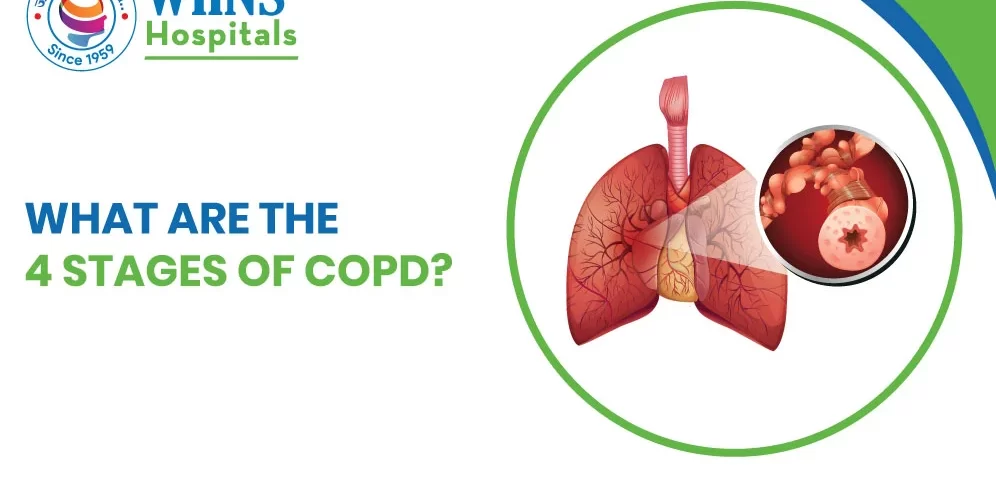
Chronic Obstructive Pulmonary Disease, or COPD, comprises three types of lung diseases: chronic bronchitis, emphysema, and chronic obstructive asthma. The hallmark sign of COPD is breathlessness. In this post, we’ll discuss the grading systems used in a pulmonology hospital in Kolhapur to diagnose COPD.
The 4 Stages of COPD
The GOLD guidelines are used as reference for COPD grading. The system is used by most pulmonology hospitals in the world. It uses a test called spirometry for identifying the stage of COPD. The test assesses your lung capacity based on two vital factors:
- Forced vital capacity (FVC): It measures the total air you exhale after breathing in.
- Forced expiratory volume (FEV-1): The amount of air released from your lungs in a single second.
In people with COPD, the ratio of these figures is less than 0.7. COPD is graded from stage 1 (mild) to stage 4 (very severe).
Mild (Stage 1)
A mild or early stage of COPD is when your FEV-1 is 80% or above, which means your lungs are working 80% of the normal range. At this stage, you may not notice any pronounced symptoms, although occasional shortness of breath when performing physical activities or climbing stairs can occur. Some people with stage 1 COPD experience mild coughs with phlegm.
Moderate (Stage 2)
A moderate stage of COPD is when your FEV-1 is between 50% and 80% and you experience coughing and difficulty breathing when carrying out routine household chores or other light physical activities.
This is the stage when most people visit a COPD specialist in Kolhapur. The symptoms might be more noticeable at this stage compared to stage 1, but they are still not severe enough to get you hospitalized.
Severe (Stage 3)
In the third stage, your lung function drops significantly, falling between 30% and 50% of what’s considered normal lung capacity. You experience severe shortness of breath and extreme coughing, which might interfere with your daily tasks. Flare-ups (symptoms getting worse and requiring hospitalization) might also occur at this stage.
Very Severe (Stage 4)
At this stage, you have very little lung function left and flare-ups become a common occurrence. Symptoms include difficulty breathing even while resting, shortness of breath, severe coughing with mucus, and frequent hospitalization. The FEV-1 might be lower than 30% with a heightened risk of respiratory failure (a condition in which your lungs can’t get enough oxygen or exhale carbon dioxide from your body).
When to Seek Medical Help
See a pulmonologist at WIINS Hospitals if you experience shortness of breath with light physical activities or while resting, with chronic coughing and mucus. Detecting COPD at the early stage can improve the treatment outcome and protect your lung function. Seek immediate medical attention if you have:
- Chest tightness with shortness of breath
- Blue lips
- Confusion
- Dizziness
- Swelling in the legs
Conclusion
The condition starts with mild symptoms and gradually worsens, making it difficult for the lung to move air in and out. Although COPD can’t be cured, medical treatments (decided based on the stage and severity of the disease) can help manage it.