

Multiple organ failure is a life-threatening medical condition that requires immediate treatment at a multispecialty hospital in Kolhapur.
Multiple organ failure can result from severe trauma, overwhelming infections, or chronic illnesses. In this post, we’ll walk you through the meaning, causes, risk factors, symptoms, and treatments of multiple organ failure.
Overview of Multiple Organ Failure
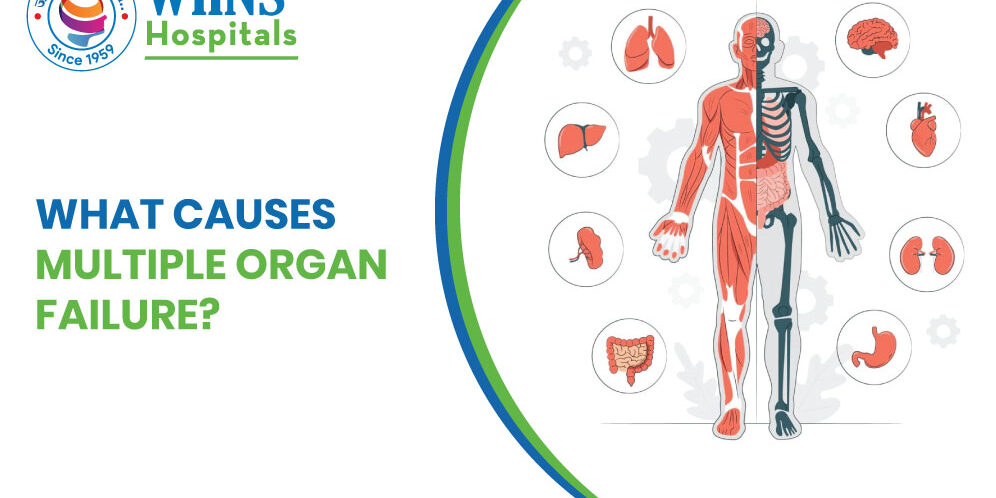
Each organ in your body has an important function. Multiple organ failure occurs when one or more of these organs, such as the liver, brain, lungs, heart, or kidneys, stop functioning.
This often creates a domino effect, where the failure of one organ places excessive strain on the others. The problem worsens when the immune system, which is supposed to deal with infections or foreign bodies, overreacts by attacking healthy tissues.
Common Causes
Although the exact cause of Multiple Organ Dysfunction Syndrome (MODS) isn’t always clear in all cases,early recognition and rapid treatment improve survival. The condition is linked to:
Sepsis: Sepsis occurs when a severe infection in the lungs, urinary tract, bloodstream, or other organs spreads throughout the body, and your immune system responds with excessive inflammation to treat the infection. This can lead to an organ failing one after another.
Trauma or Injury: Severe injuries from car accidents, burns, or a gunshot wound can cause organ failure. It occurs when you have lost excessive blood, the oxygen levels in your body drop, or due to inflammation.
Chronic Diseases: Chronic medical conditions, such as pancreatitis, heart disease, diabetes, and kidney disease, can lead to organ failure over time.
Poisoning: Drug overdosage or consumption of poisonous drugs can damage cells. Severe poisoning can trigger an inflammatory response, which can cause multiple organ failure.
Symptoms and Diagnosis
The exact symptoms of multiple organ failure may vary based on the specific organs that have failed.
For example, liver failure can cause jaundice, lung failure can cause shortness of breath, and brain failure can lead to loss of consciousness or seizures. General symptoms include:
- Confusion
- Shortness of breath
- Low blood pressure
- Low urine output
- Profound fatigue and generalized weakness
Diagnosis
A combination of tests may be needed to identify organ failure. Bloodwork, for example, may be used to check liver, heart, and kidney function.
An electrocardiogram helps detect heart function. Urine tests can be used to evaluate the health of the kidneys. Depending on the severity, the doctor may order a CT scan, an MRI, and X-rays for detailed reports.
Treatment Options
Patients with multiple organ failure require immediate treatment in an Intensive Care Unit (ICU). An intensivist in Kolhapur focuses on stabilizing the damaged organ and treating the underlying cause.
Treatment for MOF depends on the organ involved and the level of damage. In most cases, here’s what the healthcare provider uses:
- Medication to bring blood pressure to a normal range
- Mechanical ventilation to support breathing
- Dialysis to filter waste (if the kidneys have stopped functioning)
- Antibiotics to treat infection
- Surgery to treat severe injuries
Conclusion
Organ failure is a medical emergency. It’s important to identify the warning signs and seek immediate care at WIINS Hospitals, Kolhapur to prevent further damage and improve chances of survival.