

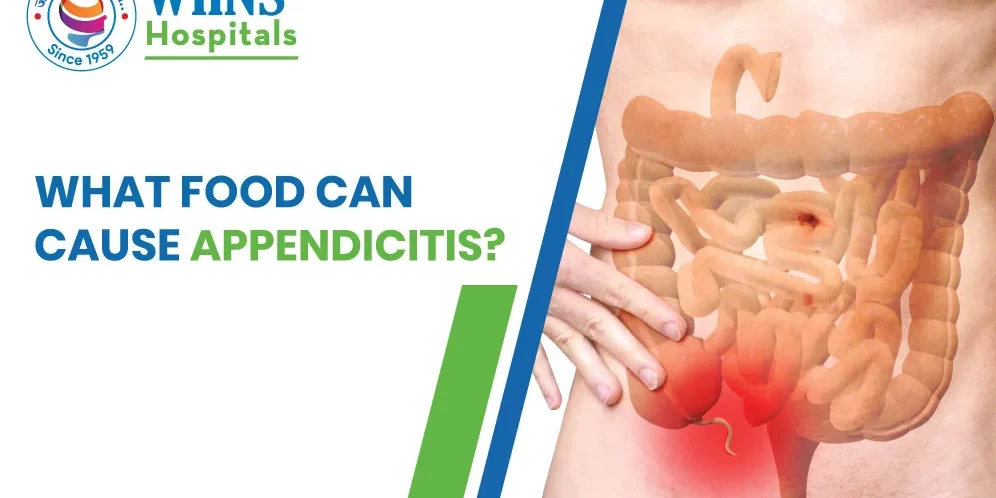
Did you know appendicitis affects 5-9 of every 100 people, most of whom are men in their teens or early 20s? A blockage or inflammation in the appendix, a small tube-like organ, can cause intense abdominal pain, which in most cases requires surgery.
A common question that patients ask our gastroenterologist in Kolhapur is whether certain types of foods increase their risk of developing appendicitis. In this post, we’ve clarified whether food is linked to appendicitis and what other factors can increase your risk.
Can Food Really Cause Appendicitis?
You may have heard your elders say that nuts, seeds, and spicy foods can cause appendicitis. These beliefs are common in many parts of the world, but these aren’t facts. In fact, any type of food doesn’t directly cause appendicitis. However, regular consumption of certain foods can lead to conditions that can cause appendicitis. Here’s a list of the foods that can increase your risk.
Low-Fiber Foods: A diet lacking fiber can cause hardened stool, which can lead to appendicitis. You should eat more fruits, vegetables, legumes, and whole grains to ensure regular, smooth bowel movements.
Seeds: Although the appendix doesn’t usually get blocked by seeds, some indigested particles of large seeds can, in very rare cases, block your appendix.
Processed Foods: Processed meats and fried foods are linked to digestive distress, which might eventually increase your risk of developing appendicitis. For example, sausages, bacon, and hot dogs contain a considerable amount of sodium, preservatives, and empty calories. Likewise, fried chicken, onion rings, and other fried foods have unhealthy fats.
Refined Carbs: Refined carbs and sugar can raise your blood sugar levels, which in turn cause an insulin spike. Increased insulin levels can cause inflammation in your digestive system, increasing the risk of appendicitis.
Other Risk Factors for Appendicitis
Although diet can indirectly cause appendicitis, most cases of appendicitis reported at WIINS Hospitals, the best gastroenterology hospital in Kolhapur, are linked to other factors. Here’s what causes appendicitis.
Infections: When your body tries to eliminate an infection (viral, bacterial, or parasitic), the lymphoid tissues in your appendix might swell and can block the appendix’s opening. The mucus and bacteria that get stuck inside can cause infection.
Hardened Stools: Hard stools can physically block your appendix’s opening, resulting in inflammation and infection. The bacteria can get trapped inside the appendix and multiply. The bacteria can form pus and cause an infection.
Family History, Age, and Gender: Your chances of developing appendicitis are higher if someone in your family has had it. Men are more likely to develop appendicitis than women, although the reason why it’s more prevalent in men is unclear. Likewise, the condition is more common at an early age, i.e., before 30, although anyone can develop appendicitis at any age.
Foreign Bodies: In very rare cases, foreign objects, like pins, stones, or fruit seeds, can block the appendix.
Conclusion
In some cases, an active infection in the digestive tract is linked to appendicitis, while others occur due to constipation. Food choices can also play a role.