

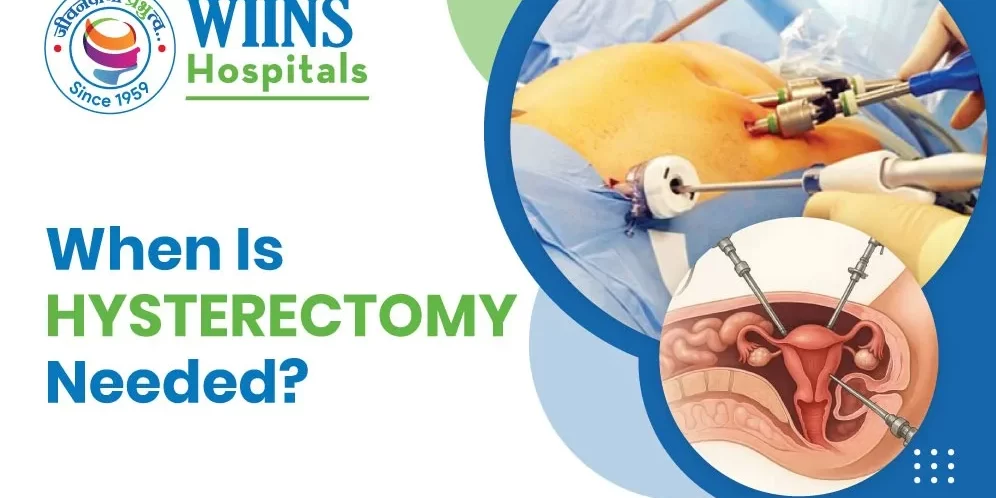
Hysterectomy is a major gynecological surgery that removes the uterus, cervix, and in selected cases, ovaries and fallopian tubes. Women with large, symptomatic fibroids, cancer of the reproductive organs, uterine prolapse, endometriosis, and heavy uterine bleeding may be advised a hysterectomy if other treatments have failed.
When Is a Hysterectomy Needed?
Hysterectomy (uterus removal surgery in Kolhapur) is a major gynecological procedure. Many women assume that a hysterectomy may be needed if they have fibroids, uterine polyps, heavy bleeding, or medical conditions that do not pose immediate danger.
The reality is that gynecologists recommend hysterectomy when other less-invasive treatments have not worked, the issue poses severe danger to the woman’s health, or alternative treatment options may not work for a certain individual.
5 Common Indications of Hysterectomy
Here’s when uterus removal is advised:
- Symptomatic Uterine Fibroids
Research shows that up to 77% of women are likely to develop fibroids at some point in their reproductive years. However, only one-third of these non-cancerous growths are large enough to be detected during routine physical tests.
If fibroids are asymptomatic or symptoms are manageable, your healthcare provider might recommend watchful waiting. Some fibroids may cause symptoms, such as pelvic pain, heavy bleeding, and pressure on other organs.
Your doctor may try less-invasive treatment options, such as hormonal therapies and myomectomy, before considering hysterectomy.
- Uterine Prolapse
Uterine prolapse, i.e., uterine slipping out of place, is possible in women with weakened pelvic floor muscles. When the muscles aren’t strong enough to hold the uterus in place, the uterus (sometimes along with the bladder and rectum) can be pulled down.
In some cases, it can protrude out of the vagina, causing pelvic pressure and discomfort. Vaginal pessary and Kegel exercises can help, but for severe prolapse, a hysterectomy might be required.
- Cervical or Uterine Cancer
Cervical cancer can be found in its initial, pre-cancerous stage during a routine pap smear. For simple early-stage cancer, a hysterectomy is typically the first-line treatment, sometimes followed by chemotherapy and radiation.
For advanced-stage cancers that have spread to the lymph nodes and surrounding tissues, a radical hysterectomy that removes the uterus, cervix, top portion of the vagina, and surrounding ligaments may be necessary.
- Endometriosis
Growth of the tissues similar to the lining of the uterus outside the uterus, near the fallopian tubes or ovaries, and in other parts of your pelvic floor requires treatment. The condition is called endometriosis.
The tissues can bleed during your menstrual cycle, causing pain, pelvic discomfort, infertility, pain during sex, and painful bowel movements. Treatments include medication, hormonal therapies, or laparoscopic surgery.
For severe pain or other symptoms that do not improve with conservative treatments, a hysterectomy might be performed. However, hysterectomy, as a standalone treatment for endometriosis, is not always effective, as endometrial tissues can grow outside the uterus.
- Prolonged Heavy Bleeding
Heavy menstrual bleeding, bleeding between menstrual cycles, or bleeding that soaks through several pads every hour requires investigation.
A gynecologist at WIINS hospital in Kolhapur might recommend hormonal therapies, intrauterine devices, or sometimes, endometrial ablation if bleeding persists or affects your daily life.
However, if nothing offers relief, hysterectomy may be discussed, especially if you do not plan pregnancy or want long-term, permanent relief.
While hysterectomy offers relief from many major women’s reproductive health issues, it’s not used as a first-line treatment for all gynecological problems. Consult a gynecologist to learn more about hysterectomy, who is the best candidate, when it’s needed, and post-operative issues.