


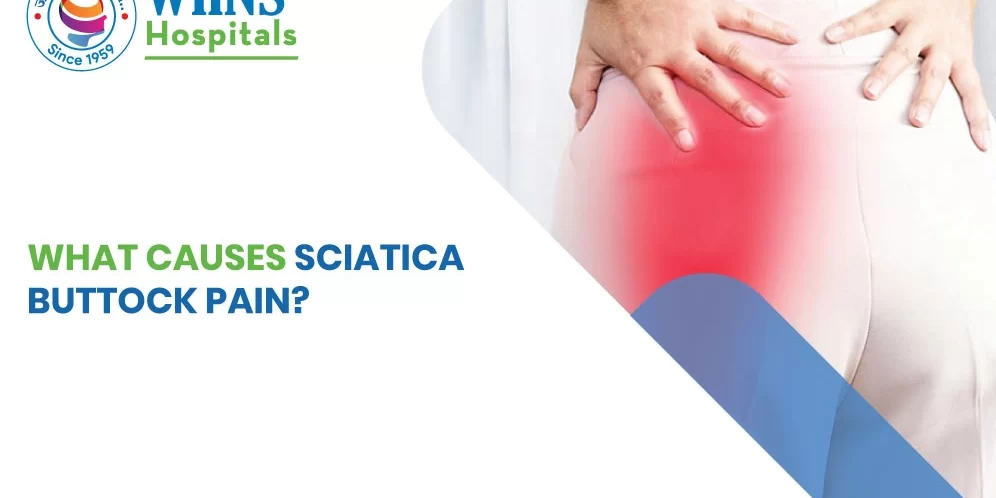
Have you ever experienced a burning, electric-shock-like pain in your lower back, buttocks, and legs? Sciatica can be the culprit. It’s not a disease, but a symptom that causes intense pain on one side of the body.
Although sciatica is not a life-threatening condition, the pain can be debilitating and might interfere with your everyday activities. Treatment depends on what causes sciatica. Most cases resolve with sciatica treatment in Kolhapur, but a few may require surgery. Here’s more about sciatica, its causes, symptoms, and diagnosis.
Understanding Sciatica
The sciatic nerve is the longest and thickest bundle of nerves in your body. It comes from the spinal cord and travels all the way down to your legs and splits into different nerves below your knee.
Pain that can range from dull ache to sharp or shooting pain occurs when something compresses, inflames, or irritates the nerve that connects to the sciatic nerve. Sciatica refers to the pain that starts in the lower back and radiates to your buttocks and legs.
Common Causes of Sciatica Buttock Pain
Slipped Disc: There are soft cushions between the bones in your spine, called discs. When these discs are squeezed, the jelly-like structure in the middle ruptures through the outer layer. This can put pressure on the nearby nerves, causing pain, which spreads along the path of the sciatic nerve.
Spinal Stenosis: Age-related changes or certain medical conditions, such as bone spurs, can narrow your spinal canal. The nerves inside it get squeezed or pinched, causing numbness, tingling, or pain.
Piriformis Syndrome: Sometimes, sciatica is caused by an irritated or inflamed Piriformis muscle, which is found deep inside your buttocks. When this muscle gets injured or tight, it might press on the sciatic nerve, which passes right next to it. It’s also called false sciatica, as the pain is similar to that of sciatica, but is linked to Piriformis muscle inflammation.
Degenerative Disc Disease: With age, the spinal discs lose shape or irritate the nearby sciatic nerve, causing sharp pain in the lower back and leg.
Risk Factors
Here’s what makes some people more likely to have sciatica:
Inactive Lifestyle: If you sit for prolonged periods or do not move frequently, your risk of developing sciatica increases, as a sedentary lifestyle can negatively affect your core and back muscles.
Obesity: Overweight or obese people are more likely to develop sciatica, as excessive weight can put pressure on the lower back.
Heavy-Lifting: Jobs that require lifting heavy objects, driving motor vehicles for hours, or twisting or bending your back frequently can increase your risk of sciatica.
Symptoms and Diagnosis
Symptoms of sciatica include:
- Burning or shooting pain in your buttocks
- Pain radiating down to the thighs and legs
- Pain worsens when sitting, coughing, sneezing, or lifting
- Numbness or tingling sensation along the path of the sciatic nerve
- Muscle weakness
- Inability to sit or walk for long periods
A spine specialist at WIINS Hospitals in Kolhapur often uses physical tests and sometimes imaging to confirm sciatica. They might observe your walking patterns, reflexes, and muscle strength, and check your medical history.