

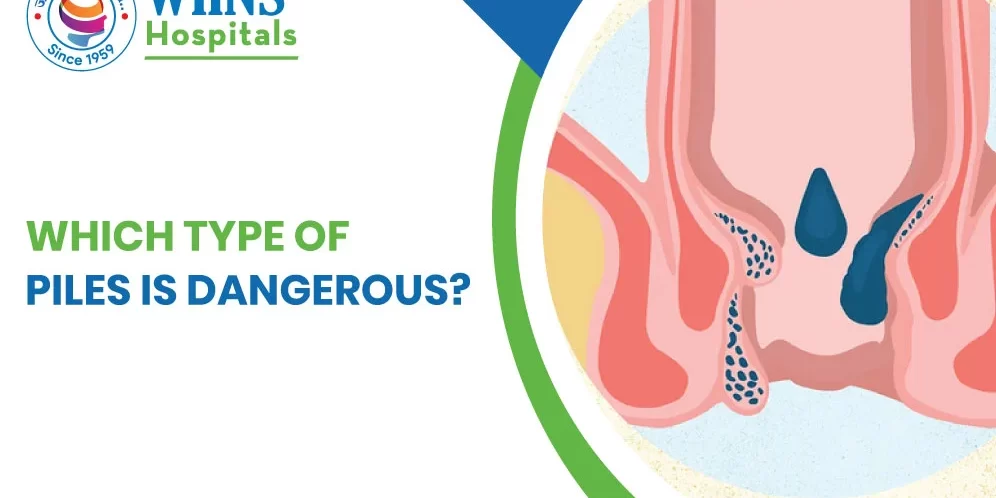
Piles, also called haemorrhoids, are swollen blood vessels that can develop inside the rectum or on the skin around the anus. They are classified into different categories, each with its own symptoms and treatment options. Piles are rarely dangerous, although they can cause significant discomfort when not treated.
How severe they are depends on their location and size. It’s important to see a physician at the piles treatment hospital in Kolhapur if you experience severe symptoms or bleeding. In the meantime, here’s a look at the types of piles and what’s considered risky.
Types of Piles
People with chronic constipation or diarrhoea are more prone to piles. The veins in and around your rectum tend to become enlarged when exposed to excessive pressure. Let’s understand different types of piles and their symptoms.
Internal Piles
Internal piles are located inside the rectum and are often painless, since there are no pain-sensitive nerves in this area. These are not dangerous and tend to go away without medical treatment in most cases. Sometimes, symptoms occur, especially if internal haemorrhoids grow large. Here’s what they cause:
- Bleeding when passing bowel movements
- Itching around the anus
- A burning sensation when passing bowel movements
External Piles
External piles are similar to the internal ones, except that they are located on the skin around your anus. Due to their location, they can cause pain and might make daily activities, such as sitting, performing physical activities, or passing bowel movements, painful. Symptoms include:
- A noticeable lump on the skin
- Swelling or itching around the anus
- Pain when sitting or passing stools
Thrombosed Piles
This is considered a more serious type, although it’s still not a medical emergency. Thrombosed piles occur when a blood clot develops inside the external haemorrhoids. The symptoms are severe and almost always require medical intervention. Thrombosed piles can cause:
- Sharp, shooting pain around the anus
- A visible hard lump that looks red or bluish
- Pain when sitting, walking, or performing other physical tasks
Why Some Piles Are More Dangerous
Thrombosed piles can lead to complications if not treated. In addition to the severe pain and swelling, the blood clot can affect blood circulation, which, in rare cases, can lead to necrosis (a medical condition in which the tissues die). No need to panic if you have piles. Consult a piles specialist in Kolhapur at WIINS Hospitals if you experience these symptoms:
- Rectal bleeding that persists for weeks
- Pain that makes daily activities difficult
- A large, bluish, and painful lump around the anus
- Fever
- Inability to control bowel movements
Prevention and Management
Constipation or straining when passing bowel movements are the most common causes of piles. They are also common during pregnancy. Fortunately, simple home remedies are often effective in treating internal and external piles that have not prolapsed. Here’s what you can do:
- Eat foods with high fibre content, such as fruits, vegetables, and whole grains, to ensure regular and smooth bowel movements
- Drink adequate water
- Stay active
- Avoid sitting for long periods
- Do not hold bowel
- Avoid straining when using the toilet
Ice packs and warm sitz baths can offer relief from painful piles. However, in severe cases, a surgical removal may be necessary.