


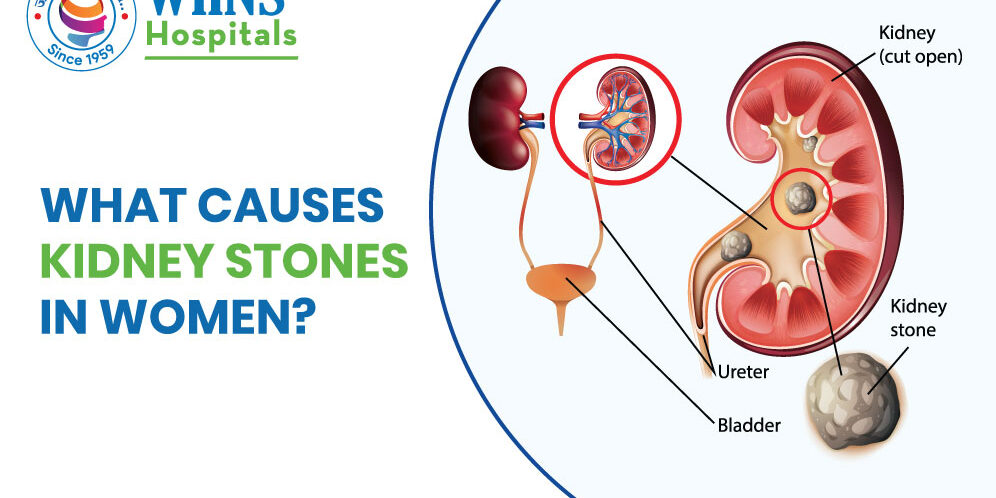
Anyone can get kidney stones, but an increasing number of women have been developing these tiny yet super painful crystals in recent years. Small stones usually pass on their own through urination in most cases.
However, if it doesn’t, you may need to schedule a visit to a urologist in Kolhapur to have them removed through medical procedures if required. In this post, we’ve discussed what causes kidney stones in women. Here’s a look.
Understanding Kidney Stones
Kidney stones are small, hard crystals that develop in your kidneys. The accumulation of minerals and other substances leads to stone formation.
The stones can be as small as a tiny grain or big enough to block your urine flow. They are also classified into different types, including calcium, uric acid, struvite, and cystine stones.
Although you may not notice many symptoms while the stone grows in your kidney, many women describe the pain as “extreme” (second to labor and childbirth) when these stones pass down the urinary tract. The pain can be accompanied by nausea, vomiting, and frequent urination. It may shift downward toward the pelvis as the stone moves into the bladder.
Risk Factors for Women
Have you ever wondered what causes the increased number of kidney stone cases in women?
- Changes in Dietary Patterns: A diet rich in salt and sugar can heighten your risk of stones. Women who follow a diet high in fiber and low in processed, sodium-rich foods have a reduced risk of developing kidney stones.
- Genetics: Your genetics can also contribute to the increased risk of kidney stone formation. Women with a family history of kidney stones may be at a higher risk of developing them, as genetics can influence how the body processes minerals.
- Dehydration: Among these, dehydration is considered the biggest culprit. When your body doesn’t get enough fluid, your urine becomes more concentrated, causing minerals and other substances to stick together. These eventually form solid crystals.
Hormonal Influences
Women in their childbearing years are less likely to develop kidney stones, as estrogen production reduces the level of calcium and oxalate in their urine while maintaining urinary citrate levels.
This makes kidney stones less likely to form. As you reach menopause, your estrogen levels drop, increasing the risk of stones. The risk is even higher if you report unhealthy dietary habits and low intake of fluids.
Medical Conditions and Medications
Those with existing medical conditions such as obesity and diabetes may be at an increased risk of developing kidney stones. Although kidney stones have traditionally been more common in men, recent studies show that the incidence among women is steadily rising, and the gap between men and women is narrowing.
This can lead to struvite stones. Drugs, such as those used for migraine and seizure treatment, can increase the risk of kidney stones. Always discuss the risks and benefits of medication with a professional at a urology hospital in Kolhapur before starting them.
Conclusion
Kidney stones in women are linked to dietary choices, existing medical conditions, hormonal shifts, and fluid intake. The urology team at WIINS Hospitals can guide you with preventive care and treatment options. such as eating a healthy, nourishing diet, drinking plenty of fluids, and keeping your weight in check.