


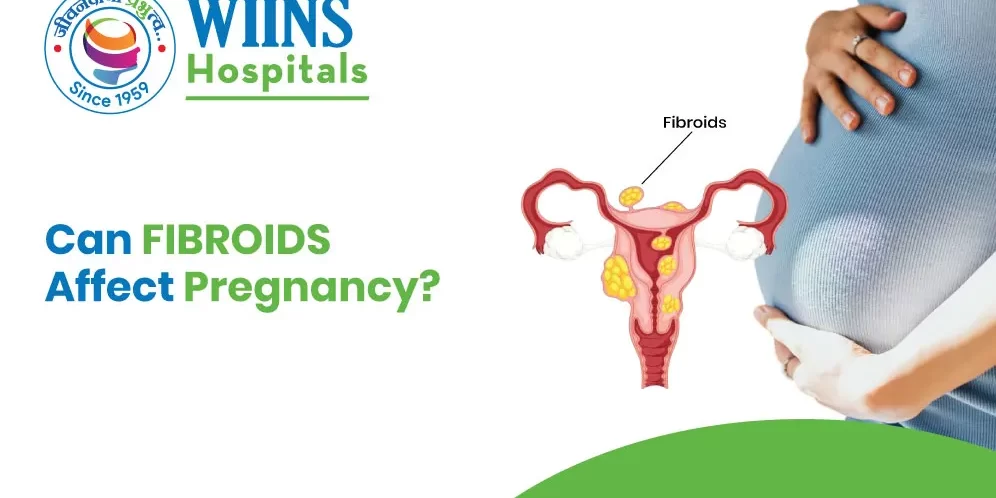
Not all fibroids affect pregnancy, but large intramural or submucosal fibroids can be problematic. Fibroids can cause placental issues and fetal growth restriction, and in rare cases, postpartum hemorrhage.
Can Fibroids Affect Pregnancy?
It’s not uncommon for pregnant women to find an existing reproductive health issue during their early ultrasound scans. Fibroids, for example, are a common finding in women. Research shows that up to 80% of women of childbearing age develop fibroids, but only a third of these benign growths are large enough to be detected during tests or require fibroid surgery in Kolhapur.
Fibroids on ultrasounds might seem concerning, particularly for expecting mothers. It’s natural to wonder, “What if fibroids harm my baby”? Many also ask if pregnancy is possible in the first place if you have fibroids. Let’s understand how fibroids affect a pregnancy.
Fibroids and Pregnancy
Many women conceive naturally despite having uterine fibroids. They also go on to deliver a healthy baby. Whether or not these non-cancerous growths affect your pregnancy depends on their number, size, and most importantly, location.
Fibroids can block your fallopian tubes, making it harder for sperm to reach and fertilize an egg, making pregnancy difficult. Or, if they are large enough or located in a sensitive area, they might change the normal uterine structure, reducing the space available for the growing embryo. They can also alter blood flow to the uterus.
These are real risks, but not every fibroid behaves in this way. The submucosal fibroids that develop beneath the uterine lining are the most problematic ones. Even the smaller submucosal fibroids can interfere with implantation.
Fibroid-Related Maternal and Fetal Health Risks
At WIINS Hospital in Kolhapur, a gynecologist will closely monitor the mother’s and the baby’s health if fibroids are detected during pregnancy. These growths pose a few health risks, such as:
- Placental Problems: Fibroids are linked to an increased risk of placenta previa or placental abruption, both of which require prompt medical attention.
- Fetal Growth Restriction: Fibroids require blood supply for growth. They may create their own network of blood vessels in the uterus. This can sometimes affect blood supply to the placenta, increasing the risk of FGR.
- Breech Position: The restricted space in the uterus makes it more likely that the baby stays in the breech position—head-up, bottom-down position. The doctor may have to perform a cesarean delivery if the baby’s presentation at birth remains unchanged.
- Postpartum Hemorrhage: After delivery, your uterus contracts to shut off the blood vessels that supplied the placenta throughout the nine months. Poor uterine contractions due to fibroids can increase the risk of heavy postpartum bleeding, which is a less-common, but life-threatening condition.
Do Women With Fibroids Need a C-section Delivery?
The mode of delivery with fibroids depends on where the fibroids are located. The ones located in the lower part of the uterus or around the cervix can partially block the birth canal, making vaginal birth difficult. Certain fibroids can prevent the uterus from contracting strongly, which can halt labor. These reasons can make a C-section birth more likely, but many women with harmless fibroids deliver vaginally too.