


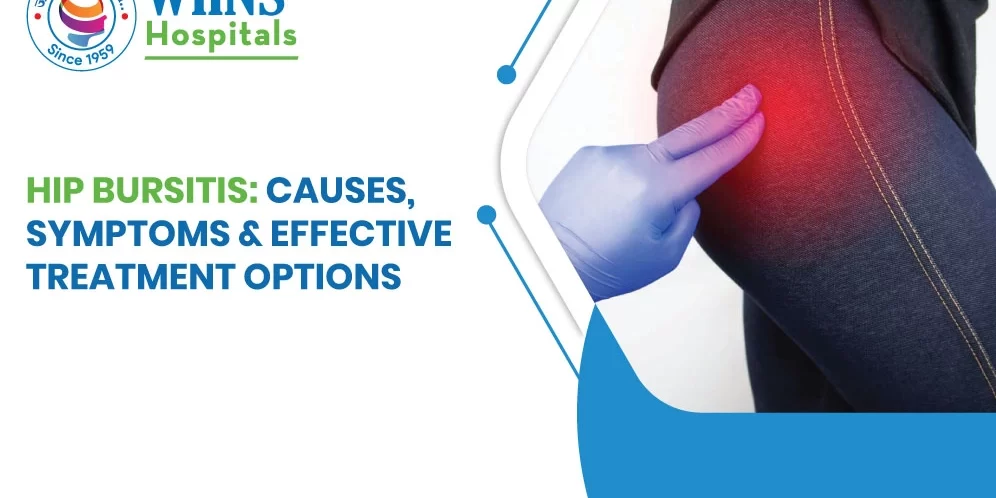
Have you ever experienced hip pain that gets worse when climbing stairs, exercising, or simply getting out of bed? One of the common causes of persistent hip pain is hip bursitis. Bursae, which act as the cushion that prevents your hip parts from rubbing against each other, become inflamed or irritated. This inflammation causes pain every time you try to walk, sit, climb, or perform physical movements.
An orthopedic doctor in Kolhapur can help diagnose and recommend personalized treatment for hip bursitis, ensuring minimal discomfort and speedy recovery. In the meantime, here’s all you should know about hip bursitis.
Causes of Hip Bursitis
Here’s what causes hip bursitis:
- Repetitive Movements: Repetitive motion or joint overuse can cause inflammation of the bursae. Activities like standing for prolonged periods, climbing stairs frequently, cycling, running, or doing new exercises or increasing your activity levels—all contribute to an increased risk of bursitis.
- Injury: Falling on your hip or a direct hit to your hips can irritate the bursae. It also occurs due to frequent minor injuries to the outer hip.
- Underlying Health Conditions: Certain medical conditions can also make people more vulnerable to hip bursitis. They include arthritis, spine issues, bone spurs, or a history of hip surgery.
Symptoms and Diagnosis
People with an irritated bursae experience these symptoms:
- A dull, persistent pain in the outer hip that travels down to the thigh
- Pain that gets worse when you move the affected hip
- Swollen or tender hip
- Stiffness
An orthopedic doctor diagnoses hip bursitis through physical tests and imaging scans. They might ask about your symptoms, check your hip movements, and in some cases, order an X-ray or MRI to rule out fractures and other issues.
Treatment Options
The good news is that hip bursitis often gets better with simple lifestyle changes. Here are some home remedies you can try for relief:
- Avoid activities that worsen pain
- Get adequate rest
- Gently massage the affected hip with ice packs for 10-15 minutes to reduce swelling
- Practice gentle stretching
- Maintain proper posture
- Reduce weight (if you have a high BMI)
Medical Treatments and Therapies
If lifestyle changes do not provide relief, an orthopedic doctor at WIINS Hospitals might recommend anti-inflammatory medicines or, in some cases, a corticosteroid injection to bring down inflammation and provide quick relief. Hip bursitis treatment in Kolhapur mainly includes medication with physical therapies to improve the hip’s strength and flexibility.
When Surgery is Needed
Surgery is rarely needed for bursitis, but if the inflammation lasts more than 12 months, the above treatments fail, and there’s structural damage, a surgical procedure to remove the inflamed bursae might be necessary. Recovery is quick, with most patients returning to routine activities within three months.
Prevention Tips
A few tips can go a long way in preventing hip bursitis.
- Always warm up before exercising
- Consider a gradual increase in your activity levels
- Wear supportive footwear
- Maintain a proper posture, especially when working
- Always take short breaks if you need to stand or sit for prolonged periods
Hip bursitis can be treated with basic care, medication, and in very rare cases, a surgical procedure. Following preventive measures is the best way to prevent bursitis.