

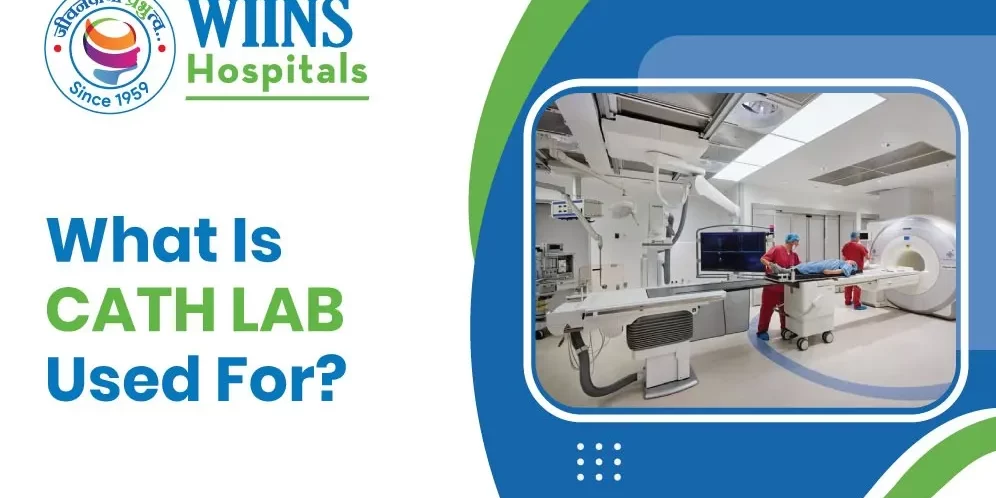
A cath lab is a specialized cardiac unit equipped with high-end X-ray machines, imaging technology, and other advanced devices that help perform minimally invasive cardiac procedures, such as angiography, angioplasty, stent placement, cardiac catheterization, and pacemaker implantation.
What Is Cath Lab Used For?
Many cardiovascular issues that earlier required major surgical treatments can now be diagnosed, as well as addressed with minimally invasive procedures. That’s what cath labs, also called “Catheterization Laboratory,” are for.
This specialized unit at WIINS hospital is equipped with next-gen imaging technology, X-ray machines, and other advanced monitoring systems. The unit is staffed with highly skilled, professional, and trained cardiologists in Kolhapur. The question is, what is a cath lab for? And, which procedures are commonly performed here?
Cath Lab: Who Is It For?
The cath lab shouldn’t be confused with an operating theater. An OT is where both minimally invasive, such as laparoscopic surgery, and open surgery are performed. A cath lab is mainly for less invasive procedures, which involve puncturing the skin to insert a catheter into your blood vessels through the wrist or groin. This eliminates the need for opening up the chest.
Popular Diagnostic and Treatment Procedures Performed in the Cath Lab
A cath lab in Kolhapur is renowned for providing specialized cardiac care. Here are the common procedures conducted in these specialized cardiac units.
Coronary Angiography
Once the catheter is inserted into the blood vessel, a special contrast dye is injected through the catheter into the coronary artery to monitor blood flow to the heart. This helps detect narrowed arteries, blockages, and blood clots through real-time imaging.
Angioplasty and Stent Placement
In angioplasty, a small balloon is attached to the tip of the catheter and inflated once the catheter is at the blockage site. The inflated balloon widens the blocked artery. This is usually followed by stent placement, where a small tube (coated with medication) is placed in the artery to keep it open.
Pacemaker Implantation
A pacemaker is a small battery-powered device that restores your heart’s rhythm by delivering electrical pulses to your heart. This stabilizes your heartbeat. The procedure involves placing a pacemaker under your skin and guiding one or more leads to the heart. It is commonly performed in a cath lab.
Cardiac Catheterization
This minimally invasive test is another common cath lab procedure that gives a detailed report of your heart function. A catheter is guided to your heart through blood vessels and is used to detect pressure in the heart chambers, oxygen level in your blood, and how well the heart is pumping blood. Many congenital defects, valve problems, heart failure, and other cardiac issues are detected during cardiac catheterization.
Emergency Procedures
Cath labs also serve as emergency units for patients with a heart attack. A cardiologist can perform immediate angioplasty, where they reopen the blocked artery to regulate blood circulation to the heart.
What Happens After the Procedure
Most procedures involve quick recovery and a short hospital stay. You will be shifted to the recovery room where your blood pressure, heart rate, and other vitals are closely observed for a few hours. You can expect to sit up, move, and go home shortly if you have had wrist access.