

Some cases of blocked arteries can be managed with medication, while others might require angioplasty or open-heart bypass surgery.
Best Treatment for Heart Blockages
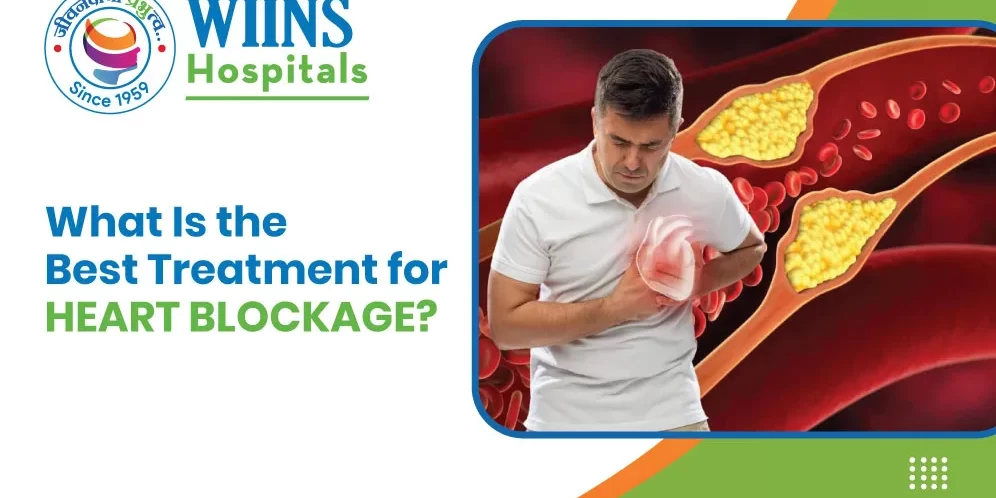
Heart diseases are so common that one person dies every 1.5 – 2 seconds from cardiovascular illnesses. Heart blockage, also called coronary artery disease, is one such medical condition in which the arteries supplying oxygen-rich blood to your heart’s muscles are narrowed or completely blocked.
Symptoms may not be noticeable at first, but as the condition progresses, you may notice chest pain, chest tightness, shoulder or neck pain, shortness of breath, dizziness, cold sweats, and nausea.
Understanding Heart Blockage
The common cause is the accumulation of plaque on the walls of the arteries. As plaque continues to form, the arteries become narrower. Over time, the buildup of plaque increases the risk of plaque rupture, which can lead to a blood clot in the artery.
This can completely block the blood flow to your heart muscles and can eventually lead to a heart attack. In some cases, the first sign of a heart blockage is a heart attack itself, which is why regular cardiovascular checkups are crucial to prevent complications.
Best Treatment for Heart Blockages
The best treatment for heart blockages varies from patient to patient and depends largely on a few factors, such as:
- How extensive the blockage is
- How many arteries are involved
- Current symptoms
- Heart function
- Age and overall health
The ultimate goal is to restore a healthy blood flow to the heart, so it can function normally. Here’s what heart specialists at WIINS Hospital in Kolhapur recommend:
Lifestyle Modifications
For mild heart blockages, a cardiovascular specialist may recommend lifestyle modifications, especially for patients who aren’t good candidates for invasive treatment. Here are a few lifestyle changes that can help your heart in the long run.
Dietary Changes: Start by making smart and heart-friendly dietary habits. Swap trans and saturated fats for healthy and unsaturated fats. Eat more seasonal fruits, vegetables, whole grains, etc.
Moderate Exercise: Moderate cardio such as brisk walking, cycling, and swimming, with strength training, is perfect for your heart health, unless your doctor advises otherwise. You should aim for 30-40 minutes of physical activity daily.
Manage Stress: The above changes are often combined with a stress management strategy. Stress is linked to increased risk of high blood pressure, inflammation, and even heart attacks. Breathing exercises, keeping a journal, or counseling can help with stress management.
Medications
Mild heart blockages can be managed with medication. A cardiologist may recommend:
- Antiplatelet agents to mitigate the risk of blood clot formation in the arteries
- Beta blockers to lower the heart’s workload and manage angina
- Statins for bad cholesterol
Angioplasty
Angioplasty in Kolhapur is a minimally invasive procedure to widen blocked arteries and improve blood flow to your heart muscles. It involves guiding a thin tube with a balloon attached to the tip into the blocked artery. This attached balloon is then inflated to widen the narrowed artery.
Open Heart Surgery
If you have multiple blockages in critical locations, an open-heart bypass surgery may be needed. It involves creating a new pathway for the blood to reach your heart muscles using healthy blood vessels from other parts of your body.