


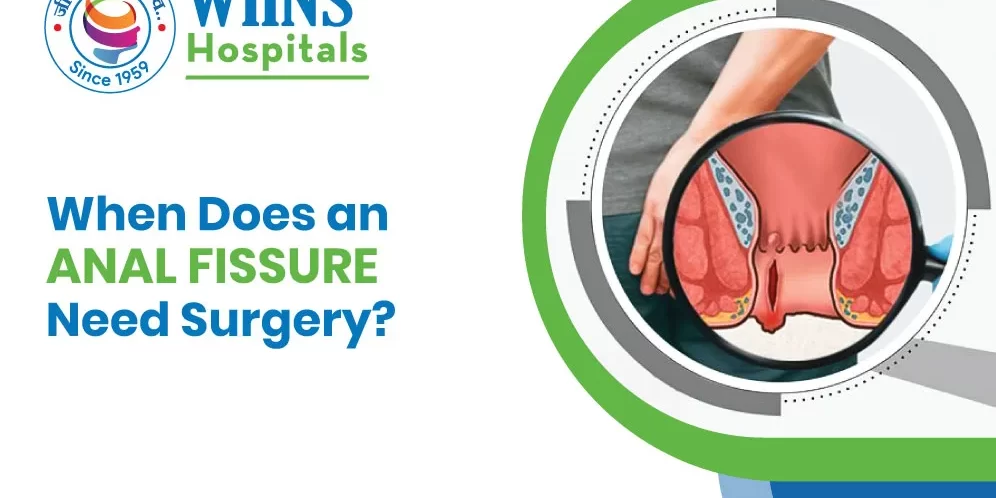
Anal fissure can heal on its own, but a chronic fissure that doesn’t respond to conservative treatments or causes constant pain, rectal bleeding, and persistent discomfort may require surgical intervention.
When Does an Anal Fissure Need Surgery?
A small tear or a crack in the lining of your anus can cause throbbing and burning pain during bowel movements. The pain might linger afterward. Sometimes, it occurs with streaks of blood in the stool or on toilet paper. Anal fissure itself isn’t life-threatening and often doesn’t require invasive treatments, such as fissure surgery in Kolhapur.
However, the sphincter muscles (responsible for controlling gas and bowel movements) can tighten in response to pain, thus reducing blood flow to the anal canal. This can delay healing. In some cases, recurrent fissures may require surgical treatment.
Treatment for Anal Fissure
Anal fissures usually heal on their own. Acute fissures often need no treatment other than self-care. The doctor may prescribe pain-relief cream to manage pain while the fissure heals. Treatment is considered when you have a chronic fissure that lingers for 6-8 weeks.
Vasodilators, such as Nitroglycerin ointment, may be advised to expand your blood vessels, thus allowing the sphincter muscles to relax and promoting blood circulation through the anal canal. This helps speed up healing.
Alternatively, some people take calcium-channel blockers to relax blood vessels. If these do not work, Botox injections may be used to relax the sphincter muscles. Their effect may last for a few months, allowing the fissure enough time to heal.
When is Surgery for Anal Fissure Needed?
Your general surgeon in Kolhapur may discuss a surgical procedure if you have a chronic fissure. Continuing medication may not be the best treatment strategy when you have a chronic or recurring fissure.
If you have tried stool softeners, pain-relief medication, or other conservative treatments without any significant relief, surgery is your last resort. Surgery is also recommended when you experience continuous rectal bleeding or debilitating pain that interferes with your everyday activities, such as eating, using the bathroom, or moving around.
Anal Fissure Surgery
Lateral internal sphincterotomy is a colorectal surgery in which the surgeon makes a small cut in your anal sphincter muscle to release tension and promote healing. It’s a fairly quick, outpatient procedure. However, the surgery comes with risks.
It can cause changes in bowel control, making it difficult to hold gas or, less commonly, stool. The exact risk factor depends on the amount of muscle divided or your existing sphincter function.
Fissurectomy is another surgery that removes unhealthy and scarred tissue around the fissure, without touching the sphincter muscle. For those at an increased risk of continence issues, a fissurectomy that doesn’t divide the sphincter may be an appropriate treatment choice.
Can It Recur?
Yes, a fissure can recur, even if it was surgically treated. The same factors that led to the fissure in the first place can increase the risk of its recurrence later. For example, continuous constipation or frequent straining during bowel movements can cause a crack in the anal lining, creating a new fissure.
That’s why long-term fissure management is important. A fiber-rich diet, adequate hydration, and avoiding prolonged time on the toilet are all effective ways to prevent fissures.
