


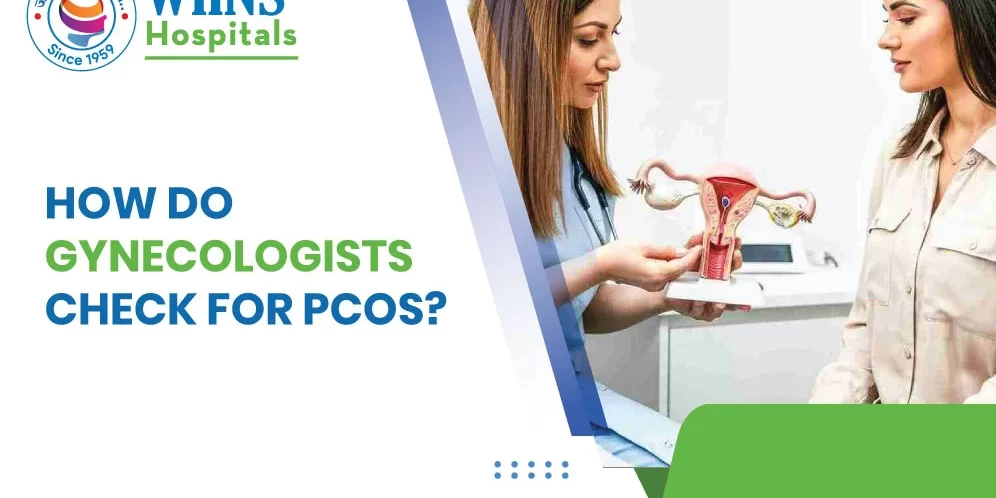
Polycystic Ovarian Syndrome (PCOS) is a hormonal disorder that disrupts your menstrual cycle and causes significant changes in your weight, skin, and hair. There’s no PCOS-specific test that can give a clear diagnosis.
A gynecologist in Kolhapur may use a combination of methods to diagnose PCOS, including evaluating your physical symptoms, recommending blood tests, and performing ultrasound scans. At WIINS Hospitals, experienced specialists carefully assess these factors to help identify the condition accurately. If you’re wondering what exactly helps doctors determine whether you have PCOS, continue reading.
Consultation With a Gynecologist
Your doctor will ask a range of questions, including about menstrual patterns and changes in weight, and will look for acne, hair issues, and other physical symptoms. They may also want to know about your family history of PCOS, as this hormonal disorder tends to run in families.
Reviewing the Menstrual Cycle
Your menstrual cycle is often the biggest clue for PCOS. Patients diagnosed with PCOS report fewer menstrual cycles than usual per year due to hormonal imbalance. Some skip periods for months, while others have unpredictable cycles with heavy or light bleeding.
Physical Exams
A physical checkup is the next major step in PCOS diagnosis. Your gynecologist will look for obvious changes in your skin, such as discoloration, acne, or excessive hair growth on your face and other parts of your body.
They may also look for dark, velvety patches, especially around your neck and underarms. These are all signs of insulin resistance (which can co-exist with PCOS) and excessive androgen (male hormone) in your system.
Blood Tests
Blood tests to detect hormone levels are routinely conducted to rule out other hormonal disorders. The tests measure androgen, LH, and FSH, blood sugar, and prolactin. A test to check your thyroid levels is also recommended, as some PCOS symptoms overlap with thyroid symptoms.
Ultrasound
Another key element of PCOS diagnosis is an ultrasound scan. Some women with this hormonal disorder have enlarged ovaries with multiple small follicles that do not mature.
Note that not every woman with PCOS has significant ovarian changes, and not everyone with enlarged ovaries and follicular growth has PCOS. It’s often used in conjunction with blood tests and physical exams to confirm Polycystic Ovarian Syndrome.
What’s Next
For women diagnosed with PCOS, further tests are recommended to check overall health. This hormonal condition is strongly connected to insulin resistance—when your body doesn’t make or use insulin properly, elevating blood sugar levels. This is why women with PCOS are considered to be at an increased risk for diabetes. The condition is also associated with heart issues. Your doctor may run tests to check cholesterol and triglycerides, as well as glucose for diabetes.
Managing PCOS
Although it can’t be cured, PCOS is a manageable condition. PCOS treatment in Kolhapur usually involves lifestyle changes, such as losing weight, eating a healthy diet, and exercising regularly.
Medication to restore your menstrual cycles is usually recommended. You can consult a dermatologist for skin and hair issues. Ovulation induction medication, sometimes combined with metformin (for insulin resistance), is used if you are having trouble getting pregnant.