


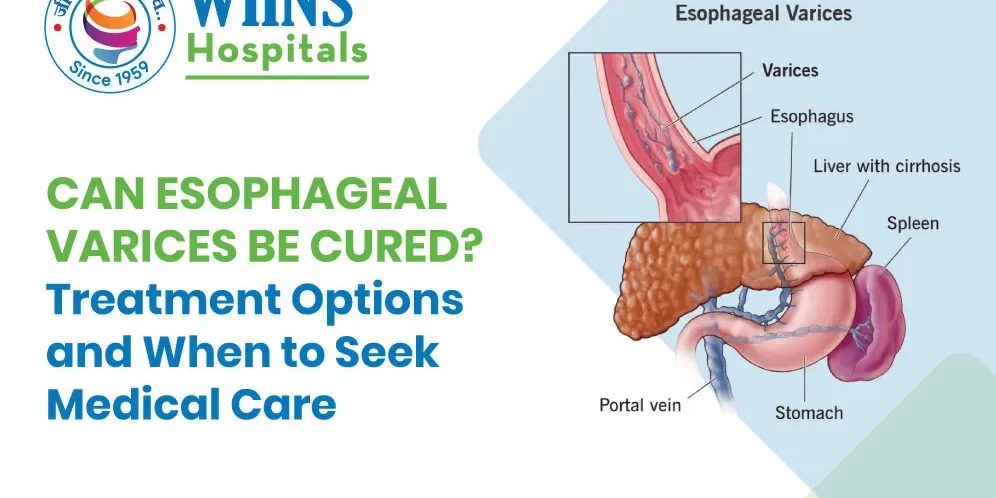
Esophageal varices can be treated with medication, endoscopic variceal ligation, endoscopic sclerotherapy, and, in advanced cases, liver transplant. Complete cure depends on the underlying cause of the esophageal vein enlargement.
Can Esophageal Varices Be Cured? Treatment Options and When to Seek Medical Care
Esophageal varices occur when blood can’t flow normally through the portal veins and takes an alternative route, causing esophageal veins to become enlarged. Since these veins have thin walls, they are vulnerable to breaking.
If they rupture, they may cause internal bleeding, which can be life-threatening, requiring immediate esophageal varices treatment in Kolhapur. They do not cause any symptoms initially, and they aren’t visible like your varicose veins either. This makes diagnosis a little challenging.
Here’s more about esophageal varices, why they happen, and treatment options.
What Exactly Are Esophageal Varices?
Esophageal varices occur when blood can’t flow properly through your liver. To understand how they happen, let’s first understand how blood normally flows to and through the liver.
Normally, blood travels through a big portal vein to your liver, where it’s filtered before it travels back to the heart. Advanced-stage liver diseases, such as cirrhosis, can affect the normal liver structure, which in turn makes it difficult for the blood to travel through the liver. This causes excessive pressure in the portal vein.
To reach the heart, the blood may find alternative routes, such as the small esophageal veins. However, these veins aren’t designed to handle pressure, so they may grow larger. This condition is called esophageal varices. The biggest concern is a rupture, which can cause severe bleeding.
Can Esophageal Varices Be Cured?
It depends on the underlying cause of the vein enlargement. At WIINS Hospitals, our gastroenterologist may focus on preventing bleeding, treating the existing enlarged veins that could rupture, and identifying and treating the main cause of esophageal varices. Let’s explore its treatment options.
Medication
The doctor may start your treatment with non-selective beta blockers that help reduce blood pressure in your esophageal veins, thus reducing the risk of vein rupture and internal bleeding.
Endoscopic Variceal Ligation
If medication isn’t appropriate for patients, a gastroenterologist may recommend endoscopic variceal ligation, a procedure in which a thin endoscope is passed through your mouth to assess the inner lining of the esophagus.
They may place a band to block blood supply through the specific vein, thus reducing pressure and causing it to shrink eventually. The procedure may be repeated a few times to examine and close off all enlarged veins.
Endoscopic Sclerotherapy
In endoscopic sclerotherapy, a special solution is passed through or around the enlarged vein. It shuts the vein and stops blood flow through it, thus reducing the risk of rupture. The procedure is done less commonly than ligation, as it poses a higher risk of esophageal narrowing and ulcers.
Liver Transplant
A more permanent solution to esophageal varices is liver transplant. The operation involves transplanting a healthy donor liver and is recommended when you have liver failure or cirrhosis. However, since it’s a major operation that involves lifelong medication and frequent follow-ups, it’s only advised when you have serious liver disease that can’t be reversed.