


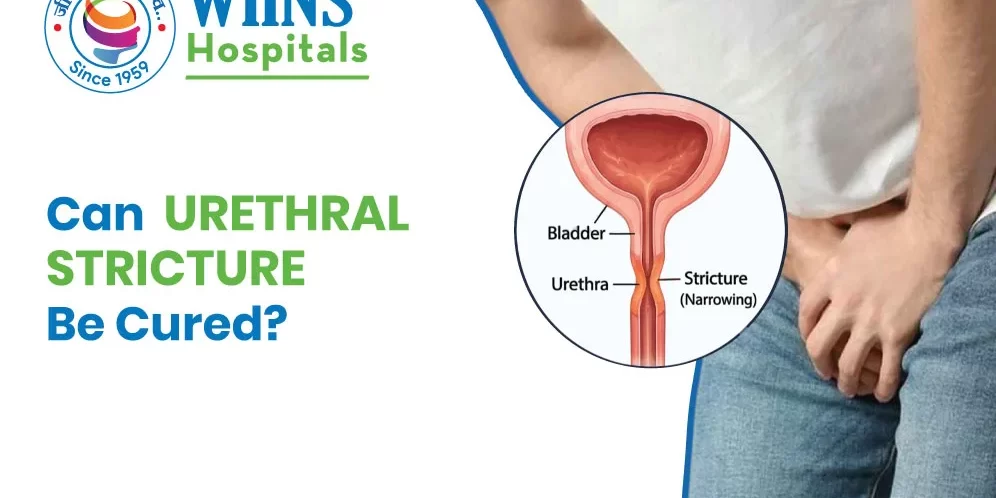
Urethral Dilation, Direct Vision Internal Urethrotomy, and urethroplasty are popular treatment options for urethral strictures. They may widen the urethra, cut open the scar tissue, or reconstruct the narrowed part of the urethra to offer relief. However, none of these treatments guarantee protection against recurrence.
Can Urethral Stricture Be Cured?
Have you ever experienced difficulty passing urine? A weak urine stream or pain when urinating can occur from many underlying issues, such as a urinary tract infection. One possible reason is urethral stricture. If you haven’t heard of it before, it’s basically the narrowing of the urethra due to scar tissue formation.
The urethra, the thin tube that carries urine out of your system, can become too narrow to allow the urine to pass freely. This can cause a wide range of urinary symptoms. Urethral stricture treatment in Kolhapur focuses on widening the urethra to relieve your symptoms. A common question people ask their urologists at WIINS Hospital is: Can urethral stricture be cured? Let’s find out.
How to Know If It’s a Urethral Stricture?
A urethral stricture develops when long-standing inflammation, irritation, or an injury leaves scars when healing. These scars can narrow the urethra and restrict urine flow. Certain medical procedures, such as previous catheterization, are also linked to urethral stricture.
Identifying the underlying cause is often important because inflammation can influence the risk of recurrence. So, how do you know if you have urethral stricture? Here are the common signs:
- Straining to urinate
- Weak or slow stream
- Prolonged urination
- Spraying urine
- Pain or a burning sensation when urinating
- Feeling like your bladder hasn’t emptied after using the restroom
In severe cases, urine might get completely blocked, also called acute urinary retention. It’s a medical emergency. When urine stays in your system for too long, it can cause bladder or kidney damage and infections. Anyone can develop urethral stricture, but it’s more common in men and older people.
Treatment for Urethral Stricture
Urethral stricture requires medical intervention. The scar tissue cannot heal on its own. A urologist in Kolhapur might recommend the following treatment options:
Urethral Dilation
Urethral dilation is one of the straightforward procedures for urethral strictures. It widens the narrowed section of the urethra with specialized medical instruments, increasing its diameter and thus allowing urine sufficient space to pass freely. The biggest challenge is that it doesn’t address the scar tissue, thus increasing the risk of recurrence.
Direct Vision Internal Urethrotomy
It’s another option to widen the urethra by making an incision directly into the scar tissue, which opens the blocked urethral passage and restores normal urination. Again, the procedure can work temporarily, but may fail to offer long-lasting relief, as the stricture can return.
Urethroplasty
Urethroplasty is a urethral reconstruction surgery, in which the surgeon does not just cut open the scar or stretch the narrowed part of the urethra, but reconstruct it using a graft, most commonly using the tissue taken from the cheeks. It’s considered a more effective treatment option, with a success rate of 80-90% in offering lasting relief from recurring stricture.
Unfortunately, no treatment can prevent urethral stricture recurrence completely. That’s why follow-up visits are crucial, especially if you experience urinary issues after treatment.