

Keloids can be removed with steroid injections administered directly into the scar, surgical excision of the scar tissue, cryotherapy, laser treatments, and pressure therapy.
How Are Keloids Removed?
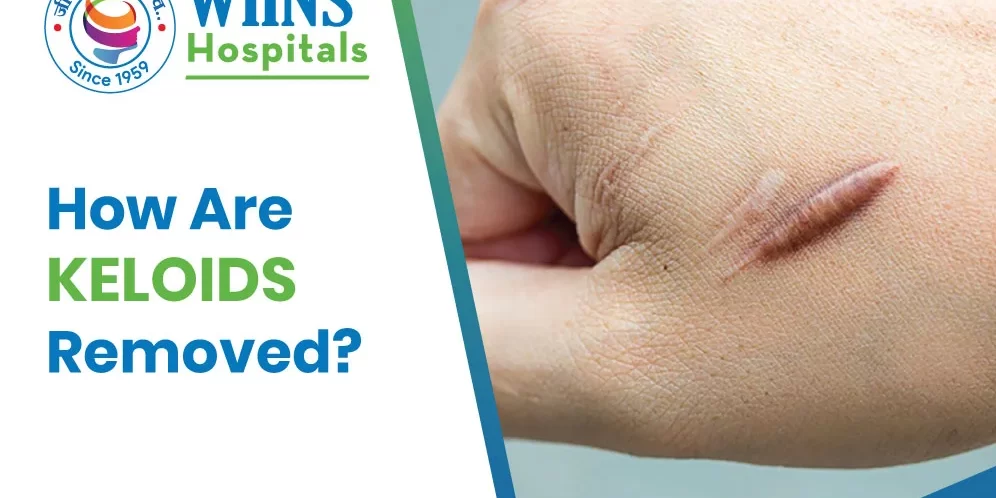
Keloids are raised bumps on your skin where you have sustained an injury before. Now, this scar is not an ordinary scar. It continues to grow and might become big enough to cause discomfort, irritation, and sometimes a burning sensation while it’s growing.
For some people, it’s only a cosmetic concern. For others, however, these raised bumps come with uncomfortable symptoms. Either way, it’s worth consulting a plastic surgeon in Kolhapurto have it evaluated.
What Causes Keloids
The skin wound, such as skin burns, an incision wound, or other injuries, might heal with a raised, big scar that looks much bigger than the injury itself. They occur when your body produces collagen in excess volume to help strengthen the skin after an injury.
Typically, your body stops producing collagen once the injured site has healed. Scar tissue forms when collagen production continues in large amounts. This explains why the scar tissue develops beyond the boundaries of the injured skin and may appear months after the injury, or even continue developing for several years.
Genetics can be a possible cause of keloid scar. If it runs in your family, you are also likely to develop one after sustaining a burn injury, acne, or piercing.
Keloid Treatment Options
At WIINS Hospital, keloid removal treatment is carefully planned based on the patient’s age, wound type, scar length, and other factors. Here’s what is commonly performed:
Steroid Injections
Corticosteroid injections can help flatten the raised bump and make it lighter and less prominent. The injection is delivered right into the scar itself. It reduces inflammation and collagen production, thus reducing the size of the scar. However, you may need several sessions to see noticeable results. Even then, it doesn’t guarantee permanent scar removal.
Surgical Removal
Keloid removal surgery in Kolhapur is another effective treatment choice for large and thick keloids that haven’t responded to other treatment options. The surgery is performed under local anesthesia, and it involves cutting away the excess scar tissue.
However, the keloid that’s surgically excised can return, sometimes bigger than the removed tissue. This happens because surgery creates another wound, which may trigger excessive collagen production during healing.
Cryotherapy
Cryotherapy involves cold therapy, where liquid nitrogen is used to destroy scar tissue, thus flattening keloids and making them softer. It’s a few-minute session, but a larger keloid might require multiple sessions.
After treatment, the treated area may become swollen or develop a blister. Your doctor will provide instructions for caring for the treated skin. The only downside to this approach is a lighter patch, which is often left behind at the scar site. Cryotherapy can be performed alone or with corticosteroid injections.
Laser Treatment
Laser treatment can help fade scars or reduce their length, thickness, and redness. The treatment can target blood vessels, thus reducing blood supply to the scar, which may gradually flatten it. This also requires multiple sessions scheduled weeks apart for better results.
Pressure Therapy
This involves applying constant pressure to the keloid to reduce its blood supply and prevent it from growing bigger. For example, pressure earrings fit snugly around the treated area to prevent post-surgical scar formation. Likewise, compression devices can help apply pressure to the affected site.