

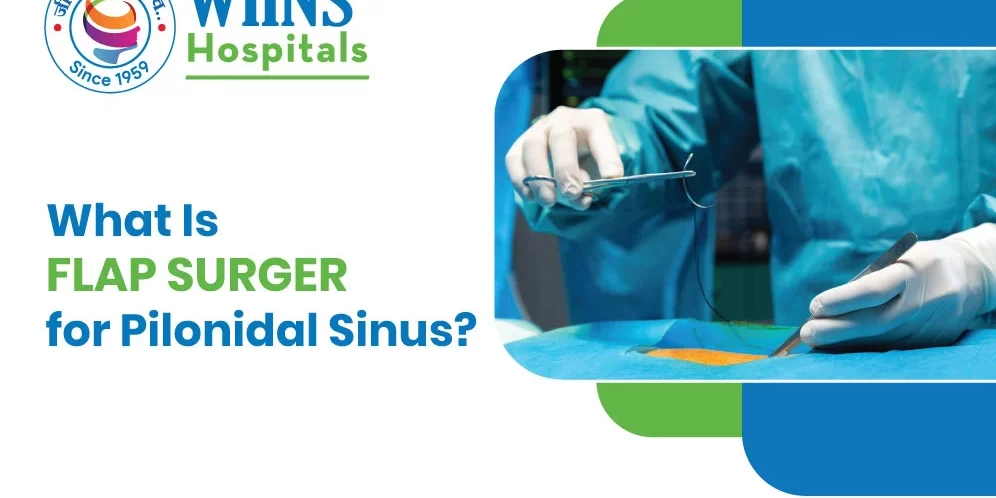
Flap surgery for pilonidal sinus involves removing the damaged and infected tissue and covering the wound with skin from the surrounding area. The skin is extracted along with the underlying tissue and its original blood supply.
What Is Flap Surgery for Pilonidal Sinus?
Pilonidal sinus, a small tunnel or hole at the cleft in the upper part of the buttocks, occurs when hair gets trapped and pushed into the skin, causing a small hole to develop. This happens from constant friction, pressure, or prolonged sitting. For some people, it’s just a tiny opening and nothing beyond an appearance concern. For others, the tunnel can become infected.
This is when cysts containing trapped hair, fluid, blood, and debris develop. It has a bad odor and may ooze pus. It can also be extremely painful. The question is: When does a plastic surgeon in Kolhapuradvise flap surgery for this cyst?
Flap Surgery for Pilonidal Cyst: What Is It?
Flap surgery for pilonidal cyst, in simple terms, is a surgery to remove the infected area and cover it with skin and tissue from the surrounding area instead of leaving the wound open. This saves you from requiring frequent dressing changes or several weeks of healing.
Additionally, the surgeon also tries to flatten the deep midline between the buttocks and makes the surgical cut slightly away from the crease.
Closing the wound away from the midline is done to prevent dirt, debris, trapped hair, and fluid collection in this area, thus reducing the risk of pilonidal sinus recurrence.
When Do You Need Flap Surgery for Pilonidal Sinus?
Not every patient requires pilonidal sinus surgery in Kolhapur. Some, with an abscess, may be advised a simple pus drainage procedure. This allows relief from infection, but may not address the underlying cause of pilonidal sinus formation. Others with extensive disease might, however, need surgical treatment at WIINS Hospital.
- Recurrent Pilonidal Sinus: If you have recurrent pilonidal sinus, you may develop a tunnel underneath the skin frequently, which may further result in infections, pain, and discomfort. A flap surgery removes the diseased tissue and reconstructs the area, thus minimizing the risk of recurring infections.
- Complex Sinus Tracts: If you have a large tunnel that runs deep within the skin or covers a wider area, or a complex connection of multiple tunnels, the surgical removal of the tissue might leave a large wound open. To ensure smooth healing, the surgeon may recommend a flap surgery.
- Failed Previous Treatments: A pilonidal sinus can recur after a surgical or non-surgical treatment. A flap surgery not only removes the problematic tissue, but also reduces the depth of the crease between the buttocks. This makes pilonidal sinus less likely to recur.
Flap Surgery Procedure
Here are the common steps in flap surgery:
Step 1: The surgery starts with anesthesia. Local or general anesthesia may be used depending on the complexity of the surgery and your health.
Step 2: The surgeon identifies and removes the sinus tract.
Step 3: Once the damaged tissue is removed, the surgeon takes healthy skin along with its original blood supply from the surrounding buttock area. They carefully move it to the open wound to ensure minimal tension and smooth healing.
Step 4: They close the wound away from the deepest part of the crease.