


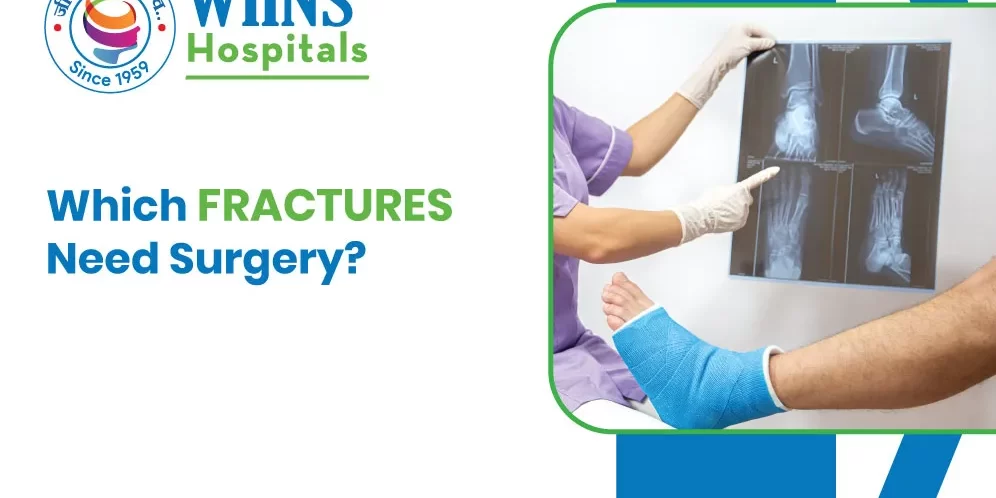
Conservative treatment approaches could be enough for simple, uncomplicated fractures, in which the bone doesn’t move out of alignment or stick out of the skin. Complex fractures with multiple broken bones or open wounds may require surgery.
Which Fractures Need Surgery?
A fracture, or broken bone, can cause intense pain with swelling, difficulty moving the limb, and tenderness. In most cases, splints, braces, or a cast are all that’s needed for healing. These non-surgical treatments may work if the broken bones haven’t shifted out of alignment or remain stable.
In some cases, surgery might be an effective fracture treatment in Kolhapur, especially if you have a complicated fracture that may not heal with conservative treatments. Whether or not surgery is needed depends on the location of the fracture, its severity, and the involvement of the blood vessels and joints.
Types of Fractures
Many factors determine whether a fracture can heal with rest and a brace, or requires a more invasive treatment approach.
Among these, the type of fracture is the most crucial factor that an orthopedic doctor in Kolhapurmay consider when deciding on an appropriate treatment. Here are the common types that might require surgery:
Displaced Fracture
A displaced fracture is when the broken fragment of the bone moves out of its normal position or alignment. When the bones are displaced, casts or splints might not be sufficient to restore their normal alignment.
Surgery may be an appropriate treatment option if you have misaligned bones that can’t be moved into their normal places with casts, splints, and other non-surgical treatments.
Open Fractures
Sometimes, a piece of the bone might protrude through the skin. These fractures are more complicated than closed fractures.
They can attract dirt, bacteria, germs, and other contaminants to the injured area, which might also increase the risk of infection spreading to the bones. An open fracture, especially when the bone sticks out through your skin, requires an immediate visit to an orthopedic doctor.
Comminuted Fracture
At WIINS Hospital, surgery is frequently performed for comminuted fractures. These occur when the bone breaks into several fragments, making it difficult for the broken pieces to be brought back into shape with the cast alone.
Fracture of the Thigh Bone
The largest bone in your body, commonly called the femur, connects the hip to your knee. A fracture in this bone often requires surgery, as it’s surrounded by a set of strong muscles, which can shift the broken bones out of their normal positions, making surgery an appropriate treatment option.
Severe Ankle Fractures
Ankle fractures can range from small cracks to severe fractures that involve multiple bones and ligaments responsible for holding the ankle together. If it’s a stable fracture, a cast or splint may suffice. If it has affected your mobility or made your ankle joint unstable, surgery may be discussed.
The broken bones are realigned and held in place using screws, rods, and plates. The goal is to restore the ankle’s stability so that the joint can support your body weight. If you experience a popping sound after sustaining an injury or have debilitating pain followed by swelling and bruising, seek medical care immediately to rule out fractures.