

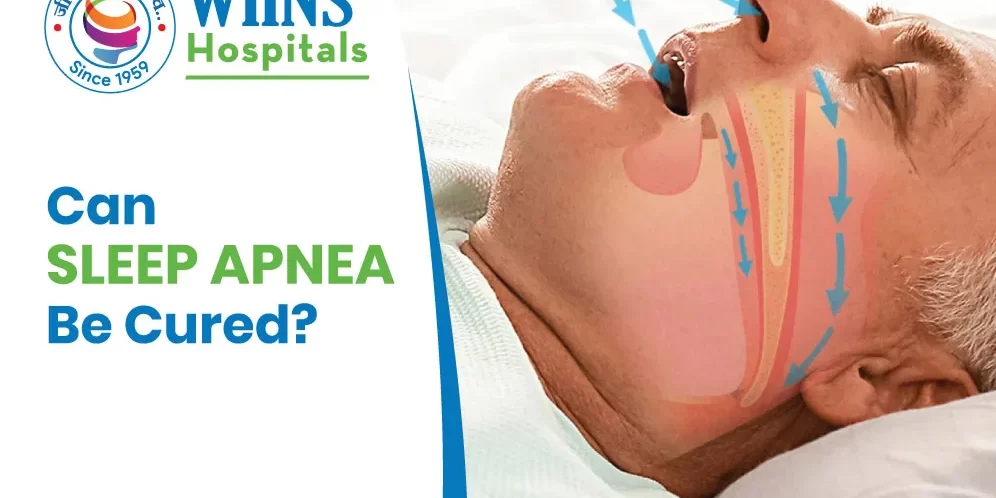
Sleep apnea can be treated with CPAP therapy or, in some cases, surgical repositioning of the jaw. Whether or not it can be cured depends on the factors that cause sleep-related breathing issues in the first place.
Can Sleep Apnea Be Cured?
Do you snore loudly during sleep? Or are you often told your breathing stops briefly and starts again while you are asleep? This could be sleep apnea, a sleep-related breathing disorder, which can affect not just your sleep quality, but your concentration, energy levels, and even mood. People diagnosed with sleep apnea have a common question: can it be cured?
In some cases, yes. When the underlying issue that causes breathing issues during sleep is fixed, sleep apnea can be cured. In others, sleep apnea treatment in Kolhapur is mostly about improving your breathing during sleep and ensuring you get a good night’s sleep.
What is Sleep Apnea?
Sleep apnea is an interruption in your breathing during sleep. These are classified into two types:
Obstructive Sleep Apnea: The muscles around your throat relax when you are asleep and may block the upper airway. As a result, the brain might immediately wake you to restore your breathing. The cycle continues. You may not remember waking up frequently at night, but may feel exhausted and irritable the next morning.
Central Sleep Apnea: This occurs when your brain doesn’t send the signals to control breathing. It can happen because of an existing medical condition, an ongoing medical treatment, current medication you may be on, and other factors.
Understanding the cause of sleep apnea is important here, as the answer to whether or not it can be fully cured depends on why it’s happening.
Can Sleep Apnea Be Cured?
In some cases, yes. If sleep apnea is linked to excess body weight, then losing a few pounds can help manage your symptoms or even resolve the breathing issues completely. That said, you might develop it again if you regain weight. Likewise, if it’s caused by enlarged tonsils or certain structural issues in the jaw or throat anatomy, correcting them may be an essential step in treating sleep apnea.
Continuous Positive Airway Pressure for Sleep Apnea
The most effective treatment option for sleep apnea is CPAP therapy. It involves placing a mask during sleep that delivers pressurized air, keeping your upper airway open, preventing snoring, and preventing breathing pauses during sleep. It can help prevent daytime fatigue, mood issues, and trouble concentrating.
Adjusting to the mask and the straps can seem challenging initially, but you will get used to them. Note that CPAP doesn’t treat the underlying issue that causes your airway to collapse. It may rather make sleeping comfortable by continuously delivering pressurized air. So, for most people relying on CPAP therapy, it’s a lifelong treatment.
Is Surgery Needed?
In advanced cases, maxillomandibular advancement—a surgery to move your jaw forward—can help create sufficient space behind the tongue, allowing you to breathe comfortably during sleep. An ENT specialist in Kolhapur may remove adenoids and tonsils as well.
For life-threatening sleep apnea that doesn’t respond to CPAP or surgical removal of the soft tissue, tracheostomy may be the last resort.