


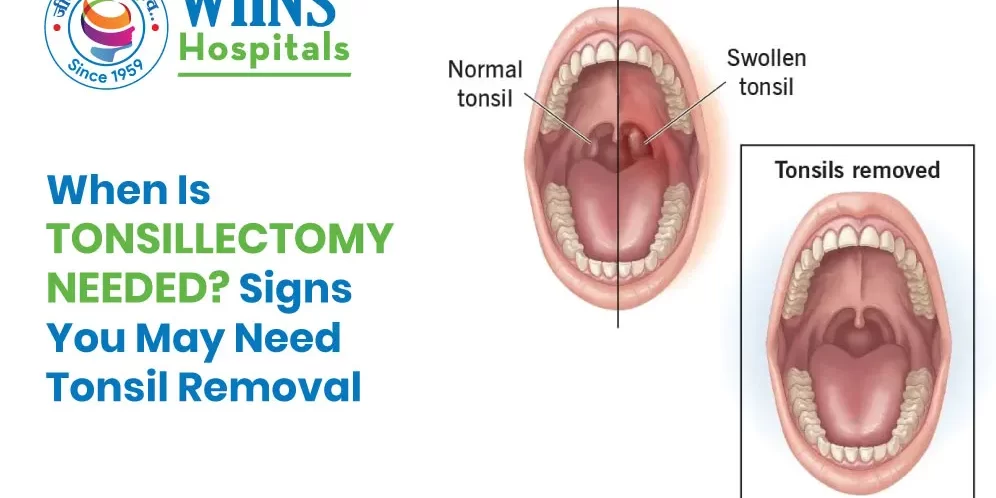
Tonsillectomy is needed when you have enlarged tonsils that affect breathing, swallowing, and cause other complications. It’s also recommended for recurring tonsillitis that affects your quality of life.
When Is Tonsillectomy Needed? Signs You May Need Tonsil Removal
Tonsils, the two small lumps of tissue found at the back of your throat, are a part of your immune system. These are responsible for fighting off viruses and pathogens that enter your body through the mouth and nose.
However, since they are constantly exposed to germs, they are prone to becoming inflamed and infected. This can cause tonsillitis. Most symptoms can resolve on their own, but if it occurs frequently or affects your breathing, swallowing, or causes other complications, it’s worth considering tonsillectomy in Kolhapur.
Tonsillectomy: What It Means
Tonsillectomy is a surgery to remove tonsils to treat recurring infections or reduce the risk of complications, such as breathing difficulties or swallowing problems from enlarged tonsils. It’s commonly considered for kids, but adults may need it too.
Earlier, tonsillectomy was done frequently for tonsillitis. Today, ENT specialists in Kolhapur, especially those practicing at WIINS, recommend surgery when conservative treatments do not help relieve a sore throat, you have frequent infections, or enlarged tonsils affect your quality of life. Let’s have a quick look at the reasons your doctor may advise tonsillectomy.
Recurring Tonsilitis
An ENT specialist usually doesn’t recommend tonsillectomy after a single episode of tonsillitis. The problem occurs when the infection doesn’t resolve for several days or is severe enough to affect your ability to swallow solids and fluids.
Sometimes, infection returns due to incomplete recovery. Strep throats, particularly, require a proper course of antibiotics to prevent symptoms from returning. For chronic or ongoing tonsillitis, tonsillectomy may offer long-lasting relief.
Breathing Difficulties
Enlarged tonsils can cause obstructive sleep apnea. It can narrow your airway, causing a range of symptoms, such as loud snoring, mouth breathing, pauses in breathing, and restlessness. In children, specifically, if enlarged tonsils are found to cause breathing issues, they may be removed alongside adenoids.
Difficulty Swallowing
Sometimes, enlarged tonsils can affect swallowing. Certain foods might feel stuck in the throat simply because there isn’t sufficient space. Persistent swallowing issues are different from occasional sore throats that can make swallowing painful.
Peritonsillar Abscess
A prolonged or severe throat infection can sometimes leave a collection of pus near the tonsils. This can lead to excruciating pain on one side of the throat accompanied by difficulty opening your mouth, swallowing, and muffled speech.
Treatment for Peritonsillar Abscess involves draining the abscess and treating the underlying infection. However, if the abscess keeps returning, tonsillectomy may be a more effective, long-term treatment option.
Differences in the Tonsil Size
If one of your tonsils appears larger than the other, it requires an evaluation. It can be a simple anatomical difference or can occur due to viral or bacterial infection, cysts, tonsil stones, or inflammation.
Although it’s uncommon, asymmetrical enlargement of the tonsils can be a sign of tonsil cancer. If your doctor suspects a tonsil disease, they may perform a biopsy, where they remove a small tissue sample from the tonsils and send it to the lab for evaluation.