


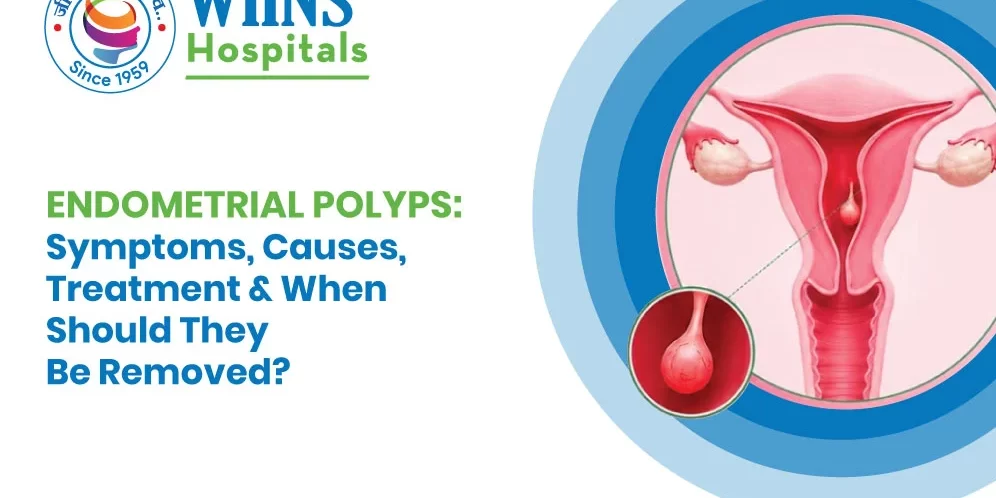
Endometrial polyps grow from the endometrial lining. Bleeding between periods, after sex, and heavy bleeding during menstrual cycles are common signs. Treatment includes watchful observation, medication, and in some cases, surgical removal.
Endometrial Polyps: Common Symptoms and Treatment Options
Not all uterine polyps require removal. However, endometrial polyp treatment in Kolhapuris necessary if you have symptomatic polyps, especially if they are discovered after menopause.
A uterine or endometrial polyp is a small growth that develops in the uterine lining and might extend into your uterine cavity. It may hang from a thin stem or have a wider base.
A polyp’s size can range from a few millimeters to several centimeters. You could have one or multiple polyps. Most are non-cancerous, but a small number can have precancerous changes, requiring removal.
Symptoms of Endometrial Polyps
Uterine polyps aren’t fibroids. Fibroids are made up of the muscle layer, while polyps form from the inner uterine lining. Not everyone with polyps experiences symptoms, but if they occur, you might notice:
- Heavy bleeding during periods
- Spotting or bleeding between periods
- Irregular menstrual cycles
- Bleeding after sexual intercourse
- Difficulty getting pregnant
- Pelvic pain
- Bleeding after menopause
The exact cause of uterine polyps isn’t established, but researchers believe the growth mainly develops in response to estrogen.
Higher estrogen can thicken the uterine lining, especially when there’s not enough estrogen to counterbalance its effect. Some areas of the endometrium might overgrow, forming polyps.
Endometrial Polyps Treatment: Do All of Them Require Removal?
No, polyps that aren’t causing any problems, or occur in premenopausal women, may not necessarily require surgical removal. Some polyps may even disappear on their own. However, a gynecologist in Kolhapur does not advise monitoring all polyps.
Removal may be necessary if you experience significant and recurring bleeding or infertility. Surgical removal is also recommended if polyps are found after menopause or it causes postmenopausal bleeding.
Does Medication Help?
Medicines may help shrink certain polyps and reduce the intensity of symptoms, such as bleeding or pelvic pain, but they aren’t a definitive solution. Symptoms may return once you stop taking medication. If you want lasting relief, surgery is the most effective treatment approach. It’s also important to note that medication may control bleeding temporarily, but doesn’t address the root cause.
Hysteroscopic Polypectomy
Widely performed at WIINS Hospital, Hysteroscopic polypectomy is a minimally invasive surgical procedure that involves inserting a thin, lighted tube through the cervix to get an unobstructed view of the polyp. The best part is that the instrument allows your doctor to visualize the polyp, allowing them to remove it without scraping the uterine lining.
Once removed, the tissue is sent to the lab for examination under a microscope. This provides information about whether the polyp is benign, precancerous, or cancerous. This helps guide the next treatment decisions.
When Should You See a Gynecologist?
Consider scheduling a visit to the gynecologist if you experience heavy, prolonged bleeding, bleeding after sex, or bleeding after menopause. Know that bleeding doesn’t always mean polyps. It can have other causes, which is why a gynecological evaluation is often recommended.
Although polyps are less likely to recur after surgical removal, it doesn’t necessarily eliminate the risk. Regular follow-up visits are, therefore, crucial.